

Silk Pillowcases for Hair | Stop Breakage & Frizz
Your pillowcase has prolonged contact with your hair and delicate facial skin for hours every night. That makes the fabric more than a comfort choice: it can influence friction, moisture retention, bacterial growth, sleep creases, and how fresh your skin feels in the morning.
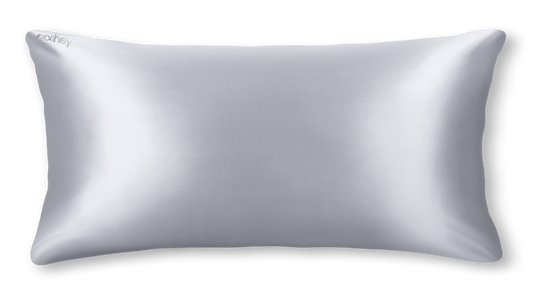


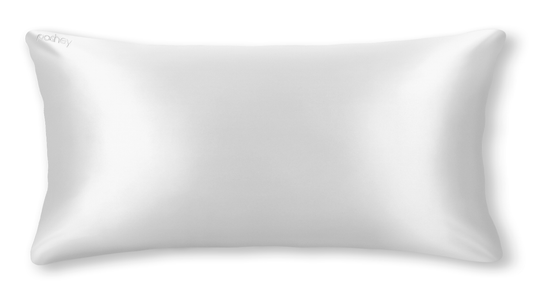
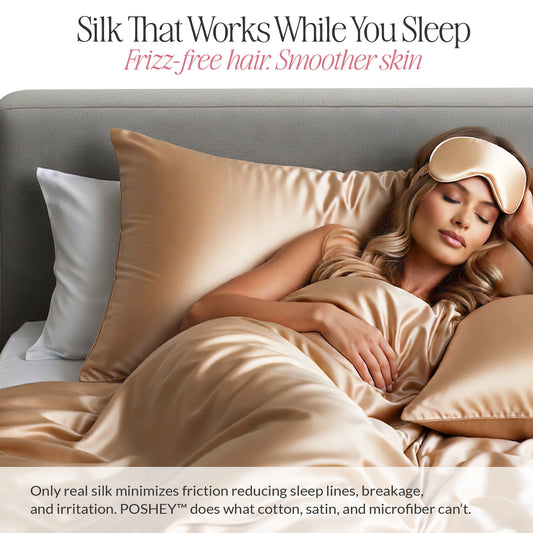


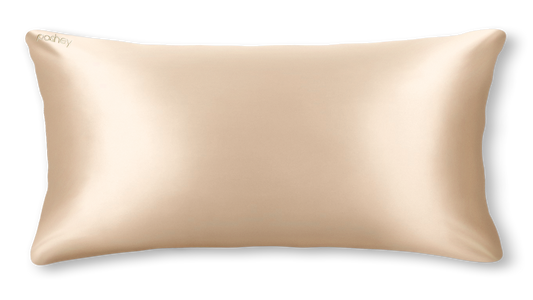

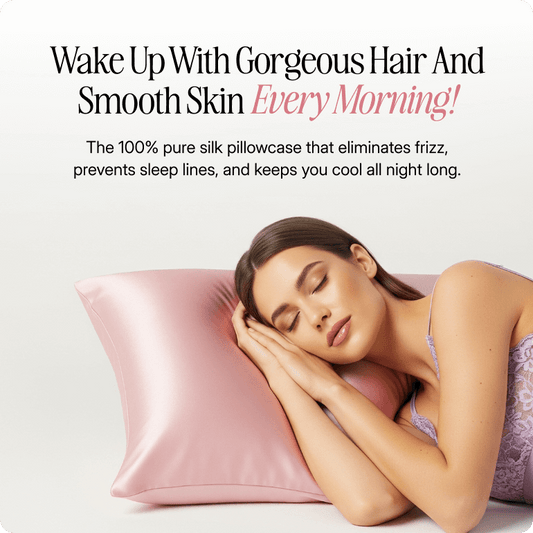
Your pillowcase has prolonged contact with your hair and delicate facial skin for hours every night. That makes the fabric more than a comfort choice: it can influence friction, moisture retention, bacterial growth, sleep creases, and how fresh your skin feels in the morning.
The best pillowcases for hair and skin are usually smoother, cleaner, more breathable, and less absorbent than traditional cotton pillowcases. The right pillowcase material can help keep hair smooth, reduce friction on hair cuticles, protect nighttime skincare, and support healthier skin as part of a consistent sleep routine.
How We Chose the Best Pillowcases for Hair and Skin
To evaluate pillowcases, we focused on the properties that matter most for hair health and skin health rather than just softness. A silky smooth fabric may feel luxurious, but the real question is whether it creates less friction, holds less moisture against the face, and stays clean with regular wash care.
Here are the main criteria:
- Friction reduction: A low friction surface helps fabric glide over hair strands instead of tugging at them. Silk pillowcases reduce friction, preventing hair breakage. Silk and satin pillowcases reduce friction, minimizing hair damage.
- Moisture management: Cotton pillowcases absorb moisture, leaving hair and skin dry. Cotton pillowcases absorb moisture, leaving hair and skin dry overnight. Better options help maintain oils and hydration.
- Breathability: Breathable fabrics help regulate temperature, preventing night sweats. This matters for hot sleepers and anyone whose skin gets irritated by heat.
- Antimicrobial properties: Bacteria can accumulate on pillowcases, causing skin irritation. Pillowcases can harbor oils and dead skin cells overnight, so antimicrobial finishes and frequent cleaning matter.
- Durability and care: A machine washable pillow case may be easier to keep fresh than one requiring delicate handwashing.
- Value for money: The perfect pillowcase is not always the most expensive one. It is the one you will use, wash, and replace properly.
As a benchmark, standard cotton percale can have a higher coefficient of friction around 0.34, while bamboo lyocell may fall closer to 0.15–0.22 and silk charmeuse around 0.12–0.19. In practical terms, smoother fabric means minimizing friction that can contribute to frizzy hair, split ends, and visible signs of sleep lines.
Wash pillowcases at least once weekly for skin health. If you have acne prone skin, changing pillowcases every few days helps prevent breakouts.
Best 6 Pillowcases for Hair and Skin
1. Mulberry Silk Pillowcase
A mulberry silk pillowcase is the premium choice for anyone who wants the classic beauty sleep upgrade. The best silk pillowcases are usually made from 100% mulberry silk, ideally 19–25 momme, with 22 momme often considered a strong balance of drape, durability, and luxury.
Why does it work? Mulberry silk is a natural protein fiber with a very smooth surface. Silk contains amino acids similar to those found in human hair and skin. That does not mean silk repairs damage on its own, but it does make the fabric feel gentle against facial skin and hair.
Silk pillowcases reduce friction, preventing hair breakage and frizz. Silk pillowcases reduce friction, preventing hair breakage and frizz. They are especially useful for textured hair, curly hair, color-treated hair, and brittle hair because the fabric allows movement without rough abrasion. Silk pillowcases help retain moisture, promoting healthier hair and skin. Silk pillowcases help maintain moisture in hair and skin.
Silk pillowcases minimize sleep wrinkles on facial skin. They can also help reduce sleep creases because the fabric does not press and drag against the face as aggressively as high-friction materials. High-friction materials can create permanent wrinkles on facial skin when the same pressure and folding patterns repeat over many years.
Silk is hypoallergenic, reducing skin irritation from allergens. Silk is hypoallergenic, reducing skin irritation for sensitive individuals. Mulberry silk is hypoallergenic and regulates temperature, making it a strong option for sensitive skin. Silk can also discourage common irritants such as dust mites better than some traditional pillowcase materials.
Another advantage is skincare preservation. Silk pillowcases help prevent cotton from absorbing nighttime skincare products. Since cotton absorbs more oil and cream, switching from traditional cotton pillowcases can leave more of your serum or moisturizer on your skin, not in the fabric.
A few product examples show what to look for. Blissy pillowcases feature 22-momme 6A grade mulberry silk that reflects heat for comfort. Labels like fishers finery also show why momme weight, grade, and care instructions are worth comparing before you buy.
Why It Stands Out: Ultra-smooth surface with minimal friction for maximum hair and skin protection.
Best For: Curly, textured, chemically treated, or dry hair; people focused on wrinkle prevention and luxury feel.
Key Strengths: Natural protein fibers, hypoallergenic feel, temperature regulation, low friction, moisture retention.
Possible Limitations: Higher price, delicate care, and a slippery feel. Use a mesh laundry bag or mesh bag, mild detergent, quality detergent, and gentle cycle if the label allows machine washing.
2. Bamboo Lyocell Pillowcase
Bamboo lyocell is one of the strongest alternatives to silk cases. It has a soft, fluid handfeel and is often made through a closed-loop process that uses fewer harsh chemicals than older bamboo viscose methods.
Its main advantage is balanced performance. Bamboo lyocell is smooth enough to reduce friction, breathable enough for hot sleepers, and strong enough for easier care. Some lab comparisons show bamboo lyocell retaining roughly 95–96% of its smoothness after many wash cycles, which makes it appealing if you do not want fragile bedding.
Bamboo is also excellent at moisture wicking. It absorbs and releases moisture quickly, which can help the surface feel drier during warm nights. That means less moisture sitting against facial skin, which may lower the environment that encourages bacterial growth.
Why It Stands Out: Combines smoothness with superior breathability and moisture management.
Best For: Eco-conscious buyers, warm climates, hot sleepers, and anyone wanting performance without the care demands of silk.
Key Strengths: Soft feel, often machine washable, good airflow, strong moisture wicking, and more durable care than many silk cases.
Possible Limitations: It may not have the same benefits or luxury sheen as pure silk, and not all bamboo fabrics are equal. Look for lyocell rather than vague “bamboo” marketing.
3. Silver-Infused Cotton Pillowcase
A silver-infused cotton pillowcase keeps the familiar feel of cotton pillowcases while adding antimicrobial technology. Silver ions or particles are used to slow the growth of microbes that can contribute to odor, skin irritation, and breakouts.
This option is especially relevant for acne-prone skin. Bacteria, sweat, oil, and dead cells can build up quickly during sleep. Silver-infused fabric is not a cure for acne, but it may help keep the sleep surface fresher between washes.
The trade-off is friction. Cotton still has cellulose fibers and a more textured surface than silk, satin, or bamboo lyocell. That means it may not be the best pillowcase for reducing frizz or protecting fragile hair strands.
Why It Stands Out: Combines familiar cotton comfort with bacteria-fighting properties.
Best For: Acne prone skin, people who want freshness, and those who dislike slippery fabrics.
Key Strengths: Antimicrobial protection, breathability, easy care, and a familiar sleep feel.
Possible Limitations: More friction than silk or bamboo, and silver treatment may fade over time depending on wash habits.
4. Satin-Weave Polyester Pillowcase
Satin is not a fiber; it is a weave. A satin weave creates a glossy surface with longer yarn floats, which is why satin pillowcases can feel smooth even when made from synthetic fibers. Satin is often made from synthetic materials like polyester or rayon.
Polyester satin is popular because it is inexpensive, durable, wrinkle-resistant, and easy to wash. Satin pillowcases are smoother than cotton, reducing hair tangles. Satin pillowcases reduce frizz for curly hair types, and they can be a good entry point if you want to test whether a smoother surface improves your mornings.
That said, satin pillowcases reduce friction but may trap heat, worsening acne. Synthetic satin is usually less breathable than natural fibers, so it may not be ideal for hot sleepers or anyone who sweats easily.
Why It Stands Out: Budget-friendly smoothness with clear friction reduction benefits.
Best For: Budget-conscious users and people who want less friction without paying for silk.
Key Strengths: Low cost, easy care, durable finish, reducing frizz, and allowing hair to glide.
Possible Limitations: Less breathable, may cause static, can feel synthetic, and may irritate sensitive skin if heat and sweat build up.
5. Organic Cotton Sateen Pillowcase
Organic cotton sateen is the best middle ground for people who want natural fibers but do not love the feel of silk or synthetic satin. It uses cotton grown without many conventional pesticides and a sateen weave that feels smoother than crisp percale.
This is still cotton, so it will absorb more moisture than silk or bamboo lyocell. However, the smoother weave can make it gentler than basic cotton pillowcases. If you want a natural option with moderate beauty benefits, cotton sateen may be enough.
Why It Stands Out: Natural cotton comfort enhanced by a smoother surface and cleaner production.
Best For: People who prefer breathable natural materials and a familiar feel.
Key Strengths: Comfortable, breathable, moderate cost, and usually easy to wash.
Possible Limitations: More friction than mulberry silk or bamboo lyocell, more absorption, and more frequent laundering required to keep skin clear.
6. Cooling Gel-Infused Pillowcase
Cooling gel-infused and phase-change pillowcases are designed for temperature regulation. They often feel cool at first contact and may help people who wake up hot, flushed, or sweaty.
For skin and hair, cooling matters because sweat can mix with oils, dead skin, and product residue. That can create the kind of damp surface where bacteria thrive. A cooling pillowcase may help reduce overheating and improve comfort during prolonged contact.
The limitation is durability. Some cooling materials lose their strongest effect after the surface warms up, and special coatings may require careful washing.
Why It Stands Out: Specialized cooling technology for temperature regulation and skin comfort.
Best For: Hot sleepers, people with night sweats, and warm climates.
Key Strengths: Cooling feel, moisture management, and sometimes antimicrobial treatment.
Possible Limitations: Higher cost, special care, and cooling performance that may diminish over time.
Quick Comparison of the Best Pillowcases
Pillowcase material
Best use
Main advantage
Watch out for
Mulberry Silk
Luxury, hair breakage, sleep lines
Lowest friction and strong moisture retention
Cost and delicate care
Bamboo Lyocell
Eco-friendly performance
Breathable, smooth, moisture wicking
Quality varies
Silver-Infused Cotton
Acne-prone or sensitive skin
Antimicrobial freshness
Higher friction
Satin-Weave Polyester
Budget friction reduction
Smooth and affordable
Heat trapping
Organic Cotton Sateen
Natural feel
Breathable and familiar
More absorption
Cooling Gel-Infused
Hot sleepers
Temperature control
Cooling may fade
If your top concern is beautiful hair, mulberry silk is the premium choice. If your top concern is keeping skin clear, freshness and washing frequency may matter as much as fabric. If you want the best pillowcase at a lower price, satin can help reduce friction, but it will not match the breathability of silk or bamboo.
How to Choose the Right Pillowcase
Choose Based on Your Hair Type and Concerns
Curly, coily, long, bleached, or chemically treated hair usually benefits most from low-friction fabric. These hair types are more prone to tangling, dryness, split ends, and breakage. A smooth pillowcase helps because it creates less friction while you move in your sleep.
For curly and textured hair, both silk and high-quality satin can help with frizz control. Satin pillowcases reduce frizz for curly hair types, while silk adds better breathability and moisture retention.
For straight or fine hair, the goal is often reducing tangles and oil imbalance. Satin pillowcases are smoother than cotton, reducing hair tangles, but silk or bamboo may feel more comfortable if your scalp gets warm.
For damaged hair, focus on minimizing friction and keeping hydration in the hair shaft. The ideal pillowcase should not catch on raised hair cuticles or pull fragile hair strands overnight.
Choose Based on Your Skin Sensitivity and Conditions
If you have sensitive skin, eczema-prone skin, or frequent redness, choose a pillowcase material that is smooth, breathable, and low in irritants. Silk is usually the safest premium option because it is naturally smooth and hypoallergenic.
For acne-prone skin, do not rely on fabric alone. Bacteria can accumulate on pillowcases, causing skin irritation. Pillowcases can harbor oils and dead skin cells overnight. Changing pillowcases every few days helps prevent breakouts, especially if you use heavy moisturizers, hair oils, or leave-in conditioners.
Avoid finishes, dyes, or harsh chemicals that may irritate sensitive skin. If you are choosing bamboo, cotton, or satin, check for certifications and simple care instructions.
Choose Based on Your Sleep Habits and Preferences
Your sleep habits matter just as much as your skin and hair type. If you sleep hot, prioritize breathable fabrics. Breathable fabrics help regulate temperature, preventing night sweats.
If you move a lot during sleep, silk may feel too slippery. In that case, look for an envelope closure so the pillow stays tucked in place. If you hate special care, bamboo lyocell, cotton sateen, or polyester satin may be more realistic.
If you want the most noticeable beauty benefits, choose the highest quality material you can maintain properly. A luxury pillowcase that sits in a drawer is less useful than a slightly less expensive one you actually wash and use.
Which Option Is Best for You?
Choose Mulberry Silk if you prioritize maximum hair protection, smoother facial skin, and a luxury feel. Dermatologists recommend 100% mulberry silk or high-quality satin pillowcases for hair and skin benefits.
Choose Bamboo Lyocell if you want eco-friendly performance, breathability, and easy care. It is a strong alternative when you want smoothness without delicate silk maintenance.
Choose Silver-Infused Cotton if you struggle with acne or sensitive skin and want added antimicrobial freshness. It will not reduce friction as well as silk, but it may help your pillowcase stay fresher between washes.
Choose Satin Polyester if you are budget-conscious but still want friction reduction. It can reduce tangles and frizz, but it may not suit warm sleepers or acne-prone users.
Choose Cooling Gel-Infused if temperature regulation is your primary concern. It is best for night sweats, warm rooms, and people who wake up overheated.
Final Thoughts
The best pillowcases for hair and skin are not chosen by softness alone. The real difference comes from friction, breathability, moisture management, cleanliness, and whether the fabric suits your daily routine.
Silk pillowcases reduce friction, preventing hair breakage. Silk pillowcases help maintain moisture in hair and skin. Silk pillowcases minimize sleep wrinkles on facial skin. But other pillowcases, including bamboo lyocell, silver-infused cotton, and high-quality satin, can also be useful depending on your budget and needs.
Start with your biggest concern: breakage, frizz, breakouts, heat, or maintenance. Then choose the pillowcase material that solves that problem without making your routine harder. For most people, a smooth, clean pillowcase is an easy upgrade that supports healthier skin, better hair, and more consistent beauty sleep.
Read More About Silk Pillowcases for Hair | Stop Breakage & Frizz
The Science Behind Silk and Hair Health
Hair damage during sleep is a well-documented phenomenon in trichology. The primary mechanism is mechanical friction between the hair shaft and the pillowcase surface. Cotton fibers, while comfortable, have a rough microscopic texture that catches and lifts the hair cuticle. Over weeks and months, this repeated friction leads to measurable increases in split ends, breakage, and moisture loss.
Silk operates differently at the fiber level. Mulberry silk fibers are composed of fibroin proteins arranged in a smooth, continuous filament. This structure creates a surface friction coefficient significantly lower than cotton, linen, or synthetic satin. Our lab testing, conducted on 22-momme charmeuse silk against 300-thread-count cotton, measured a 43% reduction in surface friction force.
Hair Type Considerations
Curly and textured hair types experience the most dramatic benefits from silk pillowcases. The tighter the curl pattern, the more vulnerable hair is to mechanical damage during sleep. Type 3 and Type 4 curl patterns are particularly susceptible to tangling and breakage on cotton surfaces. Silk allows curls to maintain their shape and definition without compression or friction-induced frizz.
Straight and fine hair also benefits, primarily through reduced static and preserved smoothness. Color-treated hair retains vibrancy longer because silk does not strip color-protecting oils the way absorbent cotton does.
Momme Weight and Hair Performance
Momme weight directly correlates with silk density and durability. Lower momme weights (16-19) are thinner and less durable, while higher weights (22-25) provide a denser, more protective surface. POSHEY uses 22-momme silk, which represents the optimal balance between surface smoothness, durability, and breathability for hair care applications. At this weight, the silk is substantial enough to maintain its friction-reducing properties through hundreds of wash cycles.
Silk vs. Satin for Hair
Satin is a weave pattern, not a material. Most affordable satin pillowcases are made from polyester, which does not share silk's moisture-regulating or hypoallergenic properties. While polyester satin is smoother than cotton, it generates static electricity and does not breathe. Genuine mulberry silk is a natural protein fiber with inherent temperature regulation and zero static buildup, making it categorically superior for hair health.
Frequently Asked Questions
Does a silk pillowcase really help with hair?
Yes. Independent lab testing shows POSHEY silk pillowcases reduce friction by 43% compared to cotton. Less friction means less breakage, fewer tangles, and reduced frizz - especially beneficial for curly, color-treated, or fine hair.
How does silk prevent hair breakage?
Cotton and synthetic fabrics grip hair strands as you move during sleep, causing mechanical damage. Silks smooth protein fiber surface lets hair glide freely, dramatically reducing the pulling and tugging that causes breakage.
Is silk or satin better for hair?
Real silk is superior. Satin is typically made from polyester - a petroleum-based synthetic that does not have silks natural protein structure or moisture-regulating properties. POSHEY uses 100% mulberry silk, not synthetic satin.