Satin pillowcases do offer genuine skin benefits - they reduce friction, help retain hydration, and feel noticeably smoother than a regular cotton pillowcase. But here's the distinction most shoppers miss: satin is a weave, not a fiber. Many satin weave pillowcases are made from synthetic fibers like polyester or nylon, which means they lack the natural proteins and breathability that truly transform your beauty sleep. For superior skin health results, 100% pure mulberry silk pillowcases outperform synthetic satin in virtually every measurable way.
Poshey's Grade 6A 22-momme mulberry silk pillowcases deliver the smooth, low-friction surface you'd expect from satin fabric - plus the natural proteins found in real silk that actively nourish skin and hair while you sleep. Below, we'll break down exactly how different pillowcase materials affect your skin, which option suits your skin type, and how to get the most out of your investment.
Satin Pillowcase Benefits for Different Skin Concerns
Your pillowcase touches your face for roughly eight hours every night. That prolonged contact makes the material you choose one of the most impactful - and overlooked - elements of any skincare routine. Different skin concerns benefit from different properties, so understanding what each fabric actually delivers matters more than simply choosing something soft.
Anti-Aging and Wrinkle Prevention
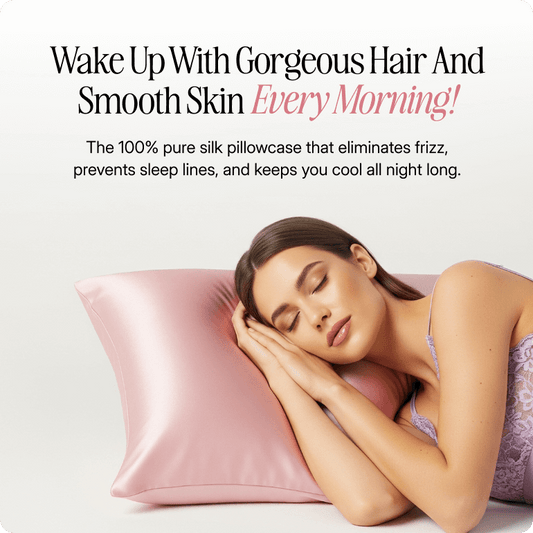
Satin pillowcases minimize friction which helps prevent sleep creases and wrinkles. That smooth surface means your skin glides across the pillow rather than bunching and folding, reducing the mechanical stress that creates facial creases over time. Silk pillowcases reduce friction by 43% compared to cotton, making them even more effective at preventing sleep-induced wrinkles.
But wrinkle prevention goes beyond friction alone. Mulberry silk is a natural, protein-based fabric that contains 18 essential amino acids beneficial for skin. These natural proteins support skin cell metabolism and collagen maintenance, offering anti-aging benefits that polyester satin simply cannot replicate. With a high momme count like 22-momme, the silk fabric delivers the ideal density for mature skin - substantial enough to reduce sleep lines while remaining luxuriously smooth.
Acne-Prone and Sensitive Skin
Satin pillowcases are beneficial for sensitive or acne-prone skin because they provide a smooth, low-friction surface that reduces irritation. Satin reduces the formation of sleep lines and prevents skin irritation for many users. However, satin pillowcases may contribute to skin irritation due to synthetic fibers in certain individuals, especially those with heightened sensitivity.
Silk takes these benefits significantly further. Silk is naturally hypoallergenic and repels dust mites, creating a cleaner sleeping surface that helps prevent clogged pores and breakouts. Silk pillowcases contain natural proteins that help regulate acne, while synthetic satin lacks any inherent antimicrobial properties. For inflamed or irritated skin, the difference between natural silk and synthetic materials can make all the difference.
Dry and Dehydrated Skin
Satin pillowcases help retain hydration by preventing moisture loss during sleep. They're less absorbent than cotton, thereby helping to retain skincare products on the skin rather than absorbing them into the fabric. This alone represents a meaningful upgrade from a regular pillowcase.
Yet silk's moisture performance is measurably superior. Silk retains 89% of skin moisture compared to cotton's 70%, and mulberry silk has a low moisture absorption rate of just 11%. This means your skin's natural oils stay on your face - not embedded in your pillow case. Silk absorbs less moisture than cotton, maintaining skin hydration throughout the night. Meanwhile, synthetic satin pillowcases may be less breathable and can trap heat, potentially causing sweat that disrupts your skin's moisture balance. Silk fabric naturally regulates body temperature, keeping skin smooth and hydrated without the clammy feeling synthetic materials can produce.
Choose the Right Pillowcase Material for Your Skin Type
Smooth texture alone doesn't determine how well a pillowcase protects your skin. The fiber composition, weave quality, and fabric weight all play critical roles. Here's how to match your material to your specific skin type.
For Normal to Combination Skin
Grade 6A mulberry silk provides perfectly balanced skin benefits for normal to combination skin types. The 22-momme weight offers optimal thickness for everyday use - dense enough to feel substantial, breathable enough to adapt as your skin shifts between oily and dry zones during sleep. Natural silk self-regulates, responding to body heat and moisture levels to maintain a stable micro-environment against your face.
For Very Sensitive Skin
Sensitive skin demands purity. Satin pillowcases made from polyester satin or blended synthetic fibers can introduce chemical irritants that aggravate reactive skin. For sensitive skin, 100% pure silk without synthetic blends is the safest choice. Silk is naturally hypoallergenic, reducing skin irritation without requiring chemical treatments or coatings. Poshey's pillowcases use chemical-free processing to preserve the natural, biocompatible properties of mulberry silk - no harsh dyes or after-treatments that could compromise its hypoallergenic qualities.
For Oily or Acne-Prone Skin
Oily skin needs a fabric that won't trap sebum or create a breeding ground for bacteria. Satin pillowcases can contribute to fewer skin irritations and breakouts, but synthetic fibers may still harbor oils and bacteria more readily than natural fiber alternatives. Silk is a natural protein-based fabric from silkworms, and its tight filament structure makes it less hospitable to bacterial growth. Silk's smooth surface prevents pore clogging, and its easy-wash care routine means you can maintain the hygiene standards acne-prone skin demands.
For Mature or Aging Skin
Skin aging accelerates when skin cells face repeated friction and moisture loss overnight. Silk contains 18 amino acids that promote skin cell metabolism, supporting your skin's natural repair processes while you sleep. Silk pillowcases reduce friction, preventing sleep lines and wrinkles far more effectively than synthetic satin or cotton pillowcases. The long-term skin health benefits of sleeping on premium mulberry silk compound over months and years - it's not just comfort, it's a genuine anti-aging strategy.
Premium Materials That Benefit Your Skin
The quality of your pillowcase material directly determines the skin benefits you'll actually experience. Not all silk or satin pillowcases are created equal - here's what separates premium from ordinary.
100% Pure Mulberry Silk
Mulberry silk is a natural, protein-based fabric produced by silkworms fed exclusively on mulberry leaves, resulting in the longest, most uniform silk threads available. These natural proteins nourish skin and hair while you sleep, unlike satin fabric made from polyester. Silk is breathable, preventing the overheating and sweating that exacerbate skin irritation and breakouts. Where synthetic satin pillowcases may trap body heat against your skin, real silk self-regulates body temperature for genuinely restorative beauty sleep.
Silk is also less absorbent than cotton, retaining skin's natural oils rather than stripping them away. This means your skincare products work harder and your skin stays hydrated - a benefit satin weave pillowcases made from synthetic materials struggle to match.
Grade 6A Quality Standards
Grade 6A represents the highest classification for silk quality. It indicates long, unbroken filaments with minimal defects - resulting in a smoother, stronger fabric that produces less friction against skin. Poshey uses exclusively Grade 6A mulberry silk, ensuring every pillowcase meets the strictest purity and performance standards. Lower-grade silk or synthetic alternatives may look similar but deliver measurably fewer skin benefits due to shorter fibers, more impurities, and reduced durability.
22-Momme Weight Fabric
Momme weight measures silk fabric density, and 22-momme sits at the premium sweet spot. It's thick enough for lasting durability and substantial feel, yet light enough to maintain silk's signature drape and breathability. Pillowcases below 18 momme can feel delicate and wear out quickly, while excessively heavy options sacrifice the softness that makes silk beneficial for skin. Dermatologists and sleep experts consistently recommend this specific weight range for optimal skin and hair benefits.
With proper care, a 22-momme silk pillowcase can last two to five years - making it a far better long-term investment than synthetic satin, which often pills and loses its sheen within a year.


 Poshey 22-Momme Mulberry Silk