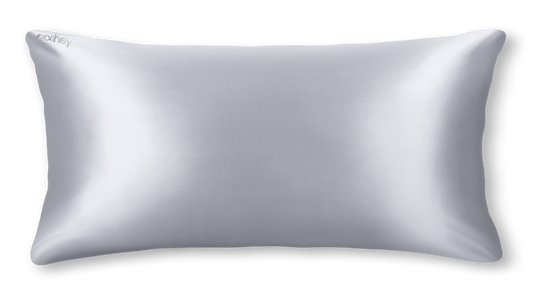
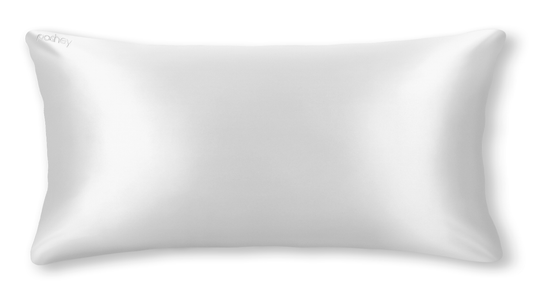
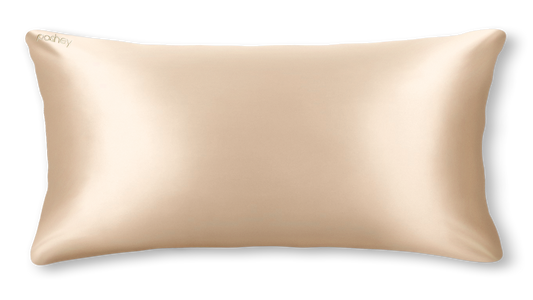
100% Mulberry Silk Pillowcases | Grade 6A Long-Fiber

POSHEY mulberry silk pillowcases are crafted from 100% Grade 6A long-fiber mulberry silk - the highest quality classification available. Mulberry silk is produced by Bombyx mori silkworms fed exclusively on mulberry leaves, creating the longest, most uniform fibers with superior smoothness.

Oeko-Tex CertifiedStandard 100 - tested for 100+ harmful substances
Lab-Tested43% less friction vs cotton pillowcases
22-Momme WeightPremium density - the gold standard
Since 2019Trusted by 50,000+ customers

Why Mulberry Silk Is the Gold Standard

Mulberry silk is produced by Bombyx mori silkworms fed an exclusive diet of mulberry leaves. This controlled feeding produces the longest, most uniform silk fibers in existence - resulting in fabric that is smoother, stronger, and more lustrous than any wild silk variety.

Not all mulberry silk is the same. Fiber quality is graded from A to 6A, with 6A representing the longest fibers, fewest impurities, and most consistent structure. POSHEY uses exclusively Grade 6A mulberry silk at 22-momme density - the premium specification that many competitors cannot match at their price point.

The difference is measurable. POSHEY mulberry silk pillowcases have been independently lab-tested to reduce friction by 43% compared to cotton, a direct result of the superior fiber quality and weave density that Grade 6A, 22-momme silk provides.

Read More About 100% Mulberry Silk Pillowcases | Grade 6A Long-Fiber

Understanding Mulberry Silk

Silk has been cultivated for over 5,000 years, but not all silk is equal. The species of silkworm, its diet, and the processing method determine the final quality of the fiber. Understanding these differences is essential for evaluating silk pillowcase quality.

Mulberry Silk vs Wild Silk

Mulberry silk comes from domesticated Bombyx mori silkworms raised in controlled environments on a pure mulberry leaf diet. This produces fibers that are remarkably uniform in diameter, up to 1,600 meters long per cocoon, and naturally white in color. Wild silks like tussah, eri, and muga come from undomesticated species that feed on varied diets. Their fibers are shorter, less uniform, often naturally colored, and produce coarser fabric.

The 6A Grading System

After harvesting, raw silk is graded based on fiber length, uniformity, color purity, and tensile strength. The scale runs from A (shortest, most irregular fibers) to 6A (longest, most uniform fibers). Grade 6A silk comes from the innermost layers of the cocoon where the silkworm deposited the finest, most consistent filaments. This silk requires the least processing, retains the most natural protein structure, and produces the smoothest finished fabric.

Lower grades are significantly cheaper to source but produce inferior fabric. Grade 3A-4A silk may look acceptable initially but develops rough spots and pilling faster. Many brands selling affordable silk pillowcases use these lower grades without disclosure.

Charmeuse Weave

POSHEY mulberry silk uses a charmeuse weave, characterized by a satin-like surface on one side produced by floating warp threads over multiple weft threads. This weave maximizes the smooth surface area of each silk fiber, creating the lowest possible friction against hair and skin. It is the same weave used in luxury silk garments and is the standard for premium silk bedding.

Protein Fiber Benefits

Silk is composed of fibroin protein, which gives it properties no plant-based or synthetic fiber can replicate. It naturally regulates temperature, wicking moisture away from the body without trapping heat. It is inherently hypoallergenic and resistant to dust mites. The amino acid composition of silk protein is similar to human skin and hair, which is why silk creates less irritation and static than any alternative fabric.


Frequently Asked Questions

What is mulberry silk?

Mulberry silk comes from Bombyx mori silkworms fed exclusively on mulberry leaves. This controlled diet produces the longest, most uniform silk fibers - resulting in smoother, stronger, and more lustrous fabric compared to wild silk varieties like tussah or eri silk.

What does Grade 6A silk mean?

Silk is graded from A to 6A, with 6A being the highest quality. Grade 6A silk has the longest fibers, fewest impurities, and most uniform structure. POSHEY exclusively uses Grade 6A mulberry silk - many competitors use lower grades (3A-5A) or do not disclose their grade at all.

Is mulberry silk better than regular silk?

Yes. Mulberry silk fibers are longer and more uniform than wild silk varieties, producing smoother fabric with fewer rough spots. The controlled farming process also means fewer impurities and more consistent quality.