Choosing the right pillowcase material directly affects your hair health, skin moisture, and overall sleep quality. While silk pillowcases remain the gold standard for deep beauty sleep, several alternatives offer their own advantages depending on your budget, climate, and personal needs. Below, we break down the most popular pillowcase materials-satin, cotton, and bamboo-so you can make an informed decision about what belongs on your pillow tonight.
Popular Silk Pillowcase Alternatives for Every Budget
Satin Pillowcases
Satin is a weave, not a material, often made from polyester. When you see "satin pillowcases" on store shelves without a fiber specified, the fabric is almost always woven from synthetic fibers like polyester, nylon, or occasionally rayon. High-quality satin can be made from polyester, rayon, or acetate-but it should not be confused with real silk, which is a natural protein fiber spun from silkworm cocoons.
The satin weave produces a smooth surface similar to silk thanks to its long thread "floats," which create a glossy surface with reduced drag. Satin prevents hair cuticles from roughing up overnight, and satin reduces hair breakage and frizz compared to rougher weaves. Satin also reduces deep sleep creases on the skin, making silk and satin pillowcases popular in the beauty sleep conversation.
Satin is generally more affordable and durable than pure silk, which makes it an appealing entry point. Most synthetic satin pillowcases can be machine washed without special detergents, adding convenience. However, unlike silk, polyester satin traps heat and lacks breathability-a significant drawback for hot sleepers. Synthetic satin can also hold moisture against the skin, potentially aggravating acne prone skin or causing skin irritation. The silky surface may look similar, but synthetic fabrics simply cannot replicate the natural benefits of silk fabric.
Cotton Pillowcases
Cotton pillowcases are the most common pillowcase materials found in households worldwide. Cotton comes in various qualities depending on staple length-long-staple varieties like Egyptian or Supima produce smoother, stronger yarn. The weave matters just as much: percale (a plain one-over-one-under weave) delivers a crisp, breathable fabric, while sateen uses longer floats for a smoother sleep surface with a subtle sheen.
Thread count-the total number of threads per square inch-is often used as a quality indicator, though counts above 400 frequently rely on multi-ply yarns that inflate numbers without genuine improvement. A well-made percale in the 200–400 range can outperform an inflated 800-thread-count pillowcase in breathability and feel.
Cotton's greatest strengths are affordability and durability. Unlike silk, cotton can withstand high-temperature washes and stronger detergents. But cotton pillowcases absorb moisture from skin and hair aggressively, pulling away natural oils and skincare products overnight. This moisture absorption can leave hair dry, brittle, and prone to frizz-especially problematic for wavy hair and textured hair. Cotton also generates too much friction against hair cuticles, contributing to hair breakage and sleep lines.
Bamboo Pillowcases
Bamboo viscose (sometimes labeled rayon) has gained popularity as an eco-friendly, plant-based alternative. Bamboo mimics the soft feel of silk with a smooth texture that sits between cotton and silk on the friction spectrum. Bamboo fibers are naturally hypoallergenic and antibacterial, making them suitable for sensitive skin and those concerned about dust mites.
Bamboo is highly breathable and moisture-wicking, offering notable temperature regulation that appeals to hot sleepers in humid climates. Plant-based fibers like bamboo and Tencel provide cooling benefits that synthetic materials cannot match. Its sustainability appeal and vegan-friendly nature have driven interest among environmentally conscious shoppers.
However, bamboo pillowcases come with caveats. The chemical treatments used in processing bamboo into viscose fiber can vary widely-some methods involve harmful chemicals and heavy solvents, while closed-loop systems are more responsible but less common. Durability also tends to fall short of high-quality silk or premium cotton; bamboo fibers can thin and weaken with repeated washing, especially under high heat.
Choose the Right Alternative for Your Sleep Needs
For Budget-Conscious Sleepers
If initial cost is your primary concern, cotton percale in the 200–400 thread count range delivers solid breathability and value. Satin pillowcases are generally more affordable than silk and provide a smoother sleep surface than standard cotton. Both can be machine washed with minimal fuss.
That said, evaluating cost per use tells a different story. A well-cared-for Poshey silk pillowcase-crafted from Grade 6A 22-momme mulberry silk-maintains its performance and luxurious feel for years, often outlasting multiple rounds of cheaper replacements. The long-term value of investing in high quality fabric becomes clear when you factor in the cumulative hair benefits and skin benefits you gain every single night.
For Hot Sleepers
Temperature regulation matters enormously for quality sleep. Cotton percale and bamboo viscose both offer strong airflow and cooling-percale's tighter weave keeps things crisp, while bamboo's moisture wicking properties pull perspiration away efficiently. Tencel is derived from eucalyptus and has advanced moisture-management properties, making it another option worth noting. Linen, though rougher in texture, provides exceptional breathability in warm climates.
Silk regulates temperature, keeping you cool while sleeping-a property that synthetic satin cannot replicate. Poshey's 22-momme mulberry silk is a breathable fabric that naturally adapts to your body temperature, providing comfort in both warm and cool conditions without the heat-trapping tendencies of polyester satin.
For Hair and Skin Health
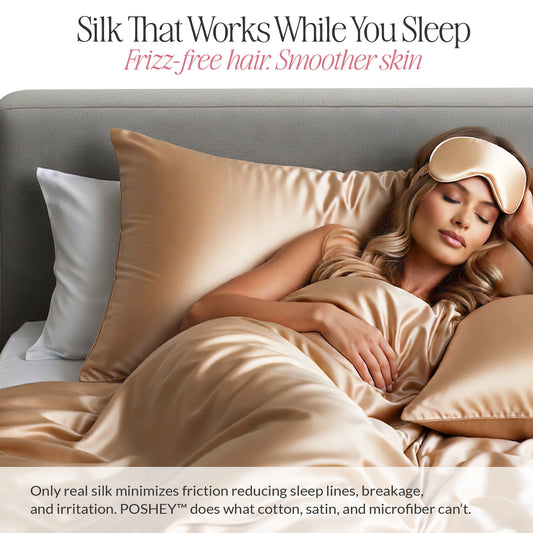
The silk pillowcase debate often centers on one question: which material truly protects your hair and skin overnight? Silk pillowcases reduce friction by up to 34% compared to cotton, meaning less cuticle damage, fewer split ends, and visibly smoother strands each morning. This is especially meaningful for those with textured hair, wavy hair, or anyone trying to minimize hair breakage and taming frizzy hair.
Satin reduces hair breakage and frizz to a degree, offering a smoother sleep surface than cotton. But unlike silk, synthetic satin lacks the natural protein fiber structure that interacts gently with hair at a microscopic level. Silk helps retain moisture, preventing dry skin and hair-your night creams and serums stay on your face rather than being absorbed into the fabric. Silk pillowcases help maintain skin moisture during sleep, supporting a genuine skin deep beauty sleep routine that alternatives can only partially replicate.
For Sensitive Skin and Allergies
Bamboo and silk pillowcases are hypoallergenic materials, making them strong choices for reactive skin. Organic cotton with GOTS certification, washed at high temperatures, can also reduce allergen exposure.
Silk pillowcases are hypoallergenic and resist dust mites-a critical advantage for allergy sufferers. Silk is naturally antimicrobial, reducing allergy risks without relying on chemical treatments. Unlike cotton, which can harbor allergens in its absorbent fibers, Poshey's tightly woven mulberry silk creates a naturally antibacterial barrier that resists dust mites, mold, and common allergens. For those with acne prone skin or chronic skin irritation, the amino acids in silk's natural protein structure offer a gentle, non-reactive surface that synthetic materials simply cannot match.
Care and Maintenance Requirements
Easy-Care Synthetic Options
Synthetic satin and polyester blends win on convenience. Most can be machine washed on a regular cycle, tumble dried, and require no special detergent. This low-maintenance appeal is genuine-but it comes with trade-offs. Over time, synthetic fabrics lose their glossy surface, develop static and pilling, and may begin to snag. The initial affordability can be offset by more frequent replacement cycles.
Cotton percale and sateen are similarly forgiving in the wash, tolerating higher temperatures and stronger detergents. Percale wrinkles more easily and may need ironing for a crisp look, while sateen's floats are more susceptible to snagging with rough agitation.
Natural Fiber Care Needs
Natural fiber pillowcases-bamboo, linen, and silk-benefit from gentler treatment. Bamboo viscose should be washed in cool water on a delicate cycle and air-dried to preserve fiber integrity. Linen softens beautifully with each wash but should avoid high heat.
Poshey silk pillowcases perform best when washed cold or lukewarm (under 30°C), using a mild silk-specific detergent on a delicate cycle. Avoid bleach, wring-twisting, and direct sunlight when drying. With this simple care routine, a 22-momme mulberry silk pillowcase maintains its smooth texture, natural benefits, and silk quality for years-making the investment in real silk bedding remarkably worthwhile over time.

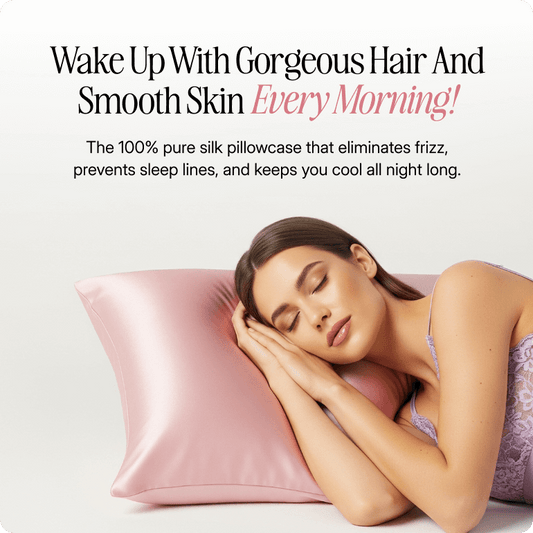

 POSHEY™ Silk Pillowcase
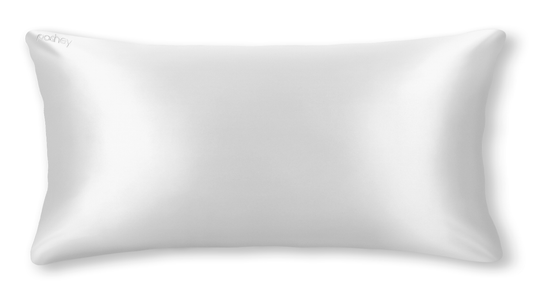
 White Silk Pillowcase
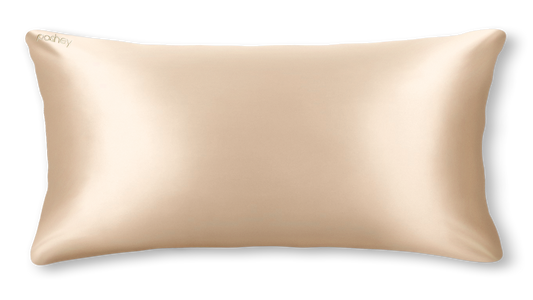
 Champagne Silk Pillowcase
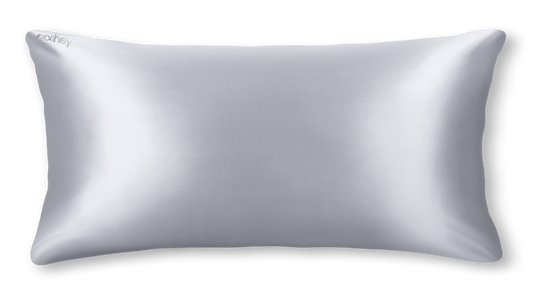
 Silver Silk Pillowcase
 Pink Silk Pillowcase
 Plum Silk Pillowcase
 Gold Silk Pillowcase