

Silk Pillowcase for Frizzy Hair: Complete Buyer’s & Care Guide

Featured Product

Table of Contents
- Silk Pillowcase for Frizzy Hair: Complete Buyer’s & Care Guide
- Key Takeaways
- Why Your Pillow Case Is Making Your Hair Frizzy
- How a Silk Pillowcase Tames Frizzy Hair Overnight
- Silk vs Satin vs Cotton: What’s Really Best for Frizzy Hair?
- Choosing the Best Silk Pillowcase for Frizzy Hair
- Silk Pillowcase Benefits for Different Hair Types
- How to Use a Silk Pillowcase in Your Nightly Hair Routine
- Care & Maintenance: Making Your Mulberry Silk Pillowcase Last
- Results Timeline: When Will You See Less Frizz?
- FAQ: Silk Pillowcase for Frizzy Hair
Silk Pillowcase for Frizzy Hair: Complete Buyer’s & Care Guide
If you go to bed with smooth hair and wake up with frizz, knots, or flattened curls, your pillowcase may be part of the problem. A silk pillowcase for frizzy hair reduces overnight friction, helps preserve moisture, and supports a smoother morning routine for both hair and skin.
Key Takeaways
A real mulberry silk pillowcase can reduce frizzy hair and hair breakage by cutting down friction and moisture loss while you sleep.
For most people, the best silk pillowcase spec is 100% Grade 6A mulberry silk with a 22-momme weight.
Silk pillowcases reduce hair frizz by up to 70%, especially when used consistently with curly hair, dry hair, or damaged hair.
Switching from cotton to silk often creates a noticeable difference within 3–7 nights, with fewer tangles, less frizz, and hair smooth enough to style faster.
Silk also supports skin health by reducing dryness, sleep creases, and skin irritation while offering a breathable surface that stays cool.
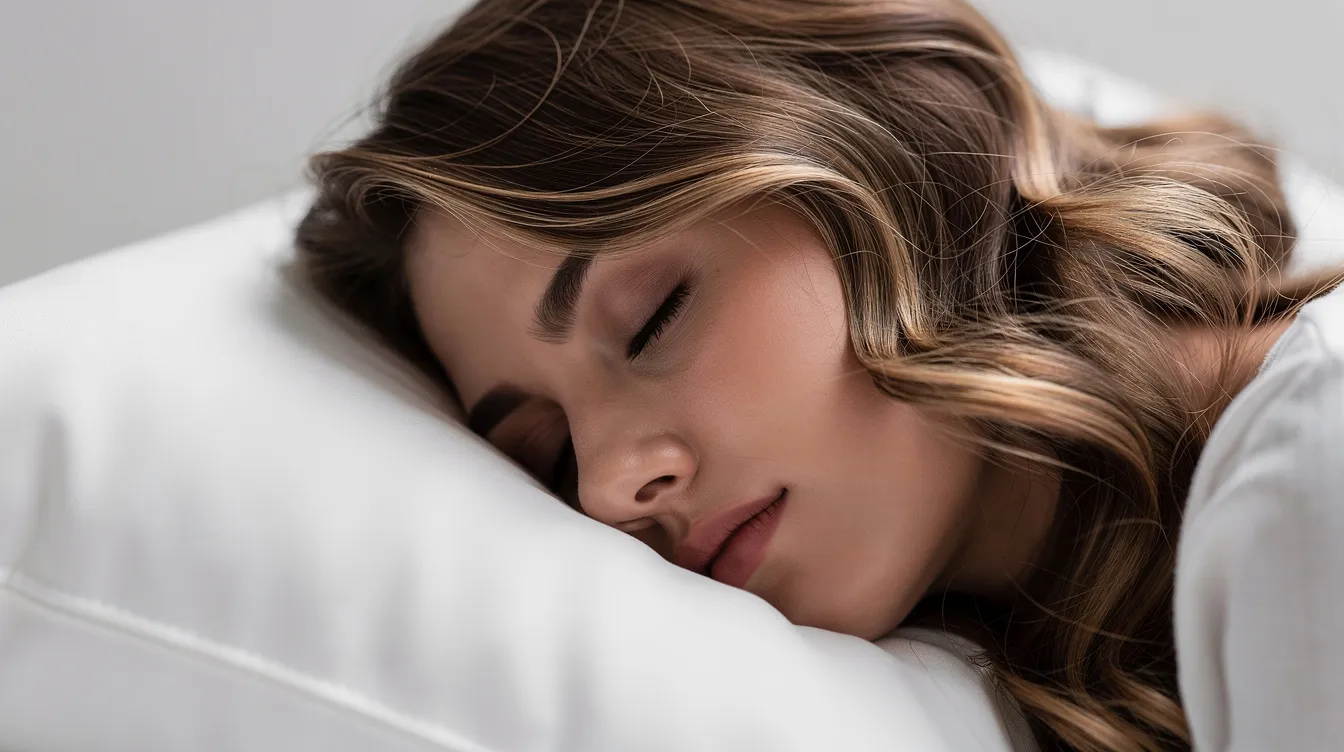

Why Your Pillow Case Is Making Your Hair Frizzy
You can use the right shampoo, serum, and styling cream and still wake up with tangled hair if your pillow case works against you. During the night, hair strands rub against fabric for hours. If that fabric is rough or absorbent, frizz builds quickly.
Here’s why a regular pillowcase can cause problems:
Cotton pillowcases absorb moisture from hair and skin. Cotton is absorbent and can draw moisture out of hair, leading to dryness.
Cotton can also soak up natural oils and leave-in products, which makes dry hair more prone to frizz by morning.
Rougher cotton fibers and many synthetic other pillowcases create friction against the hair shaft.
A friction-free surface prevents roughing-up of the hair cuticle, but cotton does the opposite by encouraging cuticle disruption.
This friction leads to hair breakage, split ends, flyaways, and halo frizz around the crown.
Frizz is often worse for curly hair and textured hair because curls naturally have more bends, more surface area, and less even oil distribution.
A 2025 survey of curly-hair users reported more frizz and more tangles on cotton than on silk pillowcases.
This is why the pillow beneath your head matters. Your pillowcase is in contact with your hair for six to eight hours, which makes it a major part of your beauty routine.
How a Silk Pillowcase Tames Frizzy Hair Overnight
Silk is a low-friction, moisture-friendly fabric that helps hair glide instead of snag. Unlike cotton, silk is less absorbent than cotton, allowing hair to maintain natural oils. That combination is what makes a silk pillowcase so useful for reducing frizz.
The benefits are practical:
Silk has a smooth surface allowing hair to glide effortlessly.
Silk's smooth surface minimizes hair breakage and tangling.
Silk reduces friction, preventing hair breakage and split ends.
Silk pillowcases reduce breakage and split ends by minimizing tugging.
Silk pillowcases help prevent split ends and breakage by reducing overnight stress on fragile ends.
Silk pillowcases help prevent morning tangles, especially for long hair, curls, and chemically treated hair.
Silk retains moisture and reduces friction on hair, which is especially helpful for frizz-prone textures.
Silk pillowcases can retain moisture, keeping hair hydrated overnight.
Silk's natural proteins help retain moisture in hair.
Pure silk contains amino acids that can condition hair during sleep.
Silk contains sericin, which nourishes hair naturally.
Silk contains sericin, which nourishes hair naturally and may contribute to a softer feel against sensitive scalps.
Silk pillowcases help maintain hair's natural oils, preventing dryness.
Silk pillowcases help preserve moisture in curly hair.
Silk pillowcases can preserve natural texture for wavy or curly hair.
Silk pillowcases can reduce hair frizz by up to 70%.
Silk pillowcases reduce frizz by up to 70%.
Curly hair can see up to 70% less frizz with silk pillowcases.
Silk is not a cure for old damage. It will not repair split ends that already exist. But by reducing friction and improving moisture retention, silk helps prevent new damage and supports better hair health over time.
Silk vs Satin vs Cotton: What’s Really Best for Frizzy Hair?
There is a lot of confusion around a silk pillowcase and a satin pillowcase. Silk is a natural protein fiber, while satin is a weave. A satin pillowcase may feel glossy, but it is often made from synthetic materials like polyester.
Here is the practical comparison:
Real silk: A real silk pillowcase, especially mulberry silk, is breathable, smooth, naturally temperature-regulating, and gentle on hair and skin.
Mulberry silk: A mulberry silk pillowcase made from long fibers gives the most consistent glide, less friction, and stronger moisture retention.
Satin: Satin can reduce friction compared with cotton, but polyester satin can trap heat, create static electricity, and feel less breathable.
Synthetic satin: Silk is more breathable and temperature-regulating than synthetic satin.
Moisture behavior: Silk retains moisture while satin absorbs it.
Cotton: Cotton pillowcases are usually the worst option for frizz because they combine high absorbency with more surface friction.
If you want a budget option, satin may help more than cotton. But if your goal is lasting frizz control, less breakage, and better hair and skin comfort, real silk is the stronger choice.
Choosing the Best Silk Pillowcase for Frizzy Hair
Not all silk pillowcases are equal. The label should tell you what the silk is, how dense the fabric is, and how the pillowcase closes. Here’s what to look for in 2026.
Use this buying checklist:
Choose 100% Grade 6A mulberry silk for quality.
Choose 100% Grade 6A mulberry silk for maximum softness, strength, and consistency.
Look for a momme count of 22 for durability.
A 22-momme silk's weight is widely considered the sweet spot because it feels luxurious without being too heavy.
Choose charmeuse if you want the glossiest silk surface; twill or a matte finish can feel slightly less shiny but still smooth.
Pick a hidden zipper or zipper closure if you want to keep the pillow secure inside the case.
An envelope closure can also work, but it may shift more if you toss and turn.
Look for OEKO-TEX or similar testing to avoid harsh chemicals, irritating dyes, and unnecessary skin irritation.
Choose the correct size: Standard is usually 20" x 26", Queen is usually 20" x 30", and King is usually 20" x 36".
Avoid suspiciously cheap silk cases or vague listings that say “silky” without confirming 100% mulberry silk.
If you see the phrase silk pillow cases in a product title, still check the actual fiber content before buying.
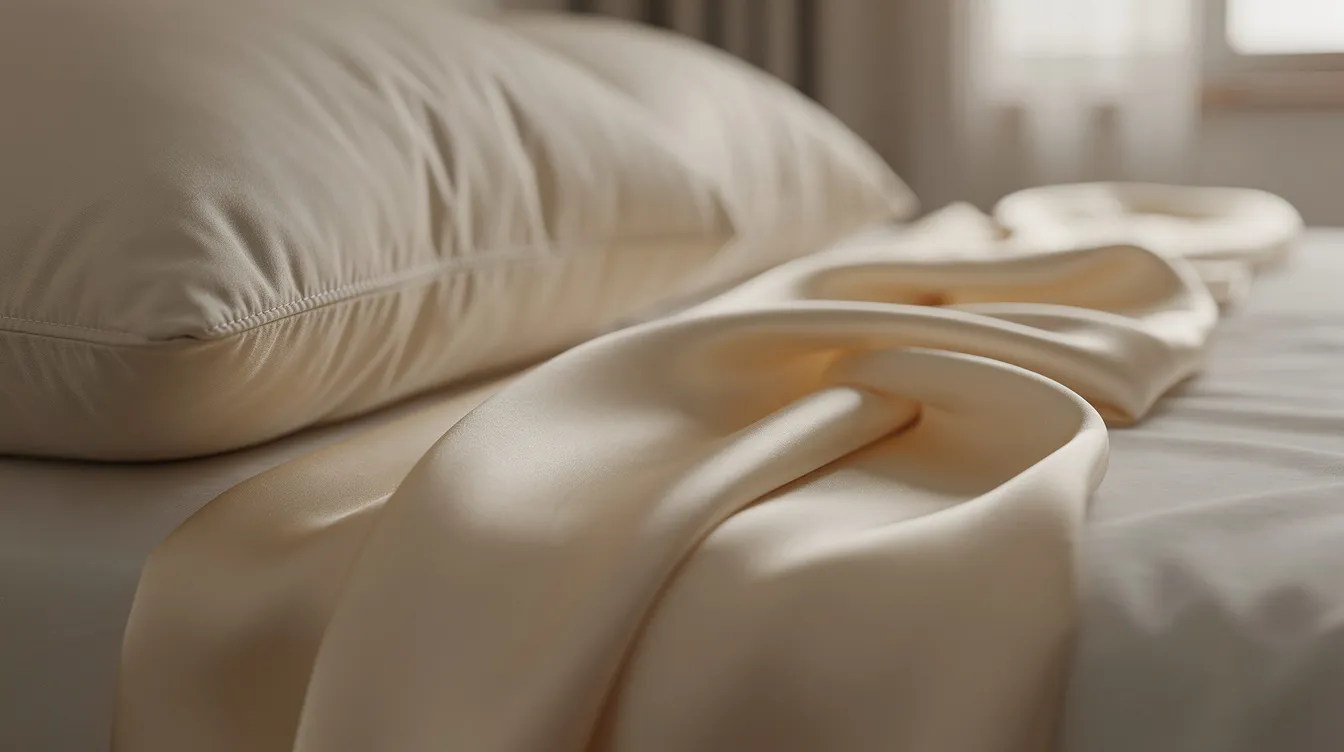
A high-quality silk pillow should feel smooth, cool, and substantial. Some brands also offer cruelty free silk products, though you should check how the brand defines that claim before buying.

Silk Pillowcase Benefits for Different Hair Types
All hair types can benefit from silk, but the most visible results depend on your texture, porosity, and current damage level. The biggest wins usually show up in frizz-prone hair, curls, and dry or processed strands.
Here’s what different hair types can expect:
Curly hair and coily hair: Better curl definition, less halo frizz, fewer tangles, and longer-lasting wash days when paired with curl-friendly styling.
Wavy hair: More preserved wave shape, smoother lengths, and fewer flyaways after sleep.
Straight hair: Less static, fewer bends from fabric friction, and easier brushing in the morning.
Dry hair: Better moisture retention and less roughness through the mid-lengths and ends.
Bleached or color-treated hair: Less tugging on fragile strands, which helps reduce hair breakage over time.
Fine hair: Less flattening and less breakage near the roots and hairline.
Thick hair: Fewer knots, easier detangling, and a smoother morning refresh.
Textured hair: Better protection when paired with a silk bonnet, silk scarf, or protective nighttime style.
People who switch from a regular pillowcase to a mulberry silk pillowcase often say they absolutely love the feeling because the hair moves over the silk instead of catching on the fabric.
How to Use a Silk Pillowcase in Your Nightly Hair Routine
Simply sleeping on silk helps, but your results improve when the rest of your routine supports frizz control. The goal is to reduce rubbing, avoid tight tension, and keep moisture where your hair needs it.
Try this tonight:
For curly hair, gather curls loosely on top of your head in a pineapple.
For long hair, use a low loose braid to prevent tangling without pulling.
For wavy hair or straight hair, try a loose bun secured with a silk scrunchie.
Apply a light leave-in conditioner or oil from mid-lengths to ends if your hair is dry, damaged, or prone to frizz.
Avoid tight elastics, rough clips, or sleeping with wet hair pulled tightly back.
For very frizzy or highly textured hair, layer a silk bonnet or silk scarf over your hair and sleep on the silk pillowcase for extra protection.
If you use heavy skin care or rich hair oils, let them absorb briefly before lying down so your pillowcase stays fresher.
This combination helps you move closer to frizz free hair without adding a complicated step to your beauty sleep routine.
Care & Maintenance: Making Your Mulberry Silk Pillowcase Last
Proper care keeps silk smooth, glossy, and effective for hair and skin. Silk is strong for its weight, but it is still a delicate natural fabric, so treat it gently.
Use this care checklist:
Always wash silk pillowcases before first use.
Wash silk pillowcases every 1-2 weeks for best results.
Silk pillowcases should be hand washed or on a delicate cycle.
Silk pillowcases should be hand washed when possible, especially darker colors or delicate finishes.
Wash silk pillowcases on a delicate cycle in cold water.
Use a protective sleeve when washing silk pillowcases, such as a mesh laundry bag.
If machine washing, turn the pillowcase inside out and close the hidden zipper first.
Use a pH-neutral, silk-safe detergent.
Avoid bleach, fabric softener, harsh chemicals, and enzyme-heavy detergents.
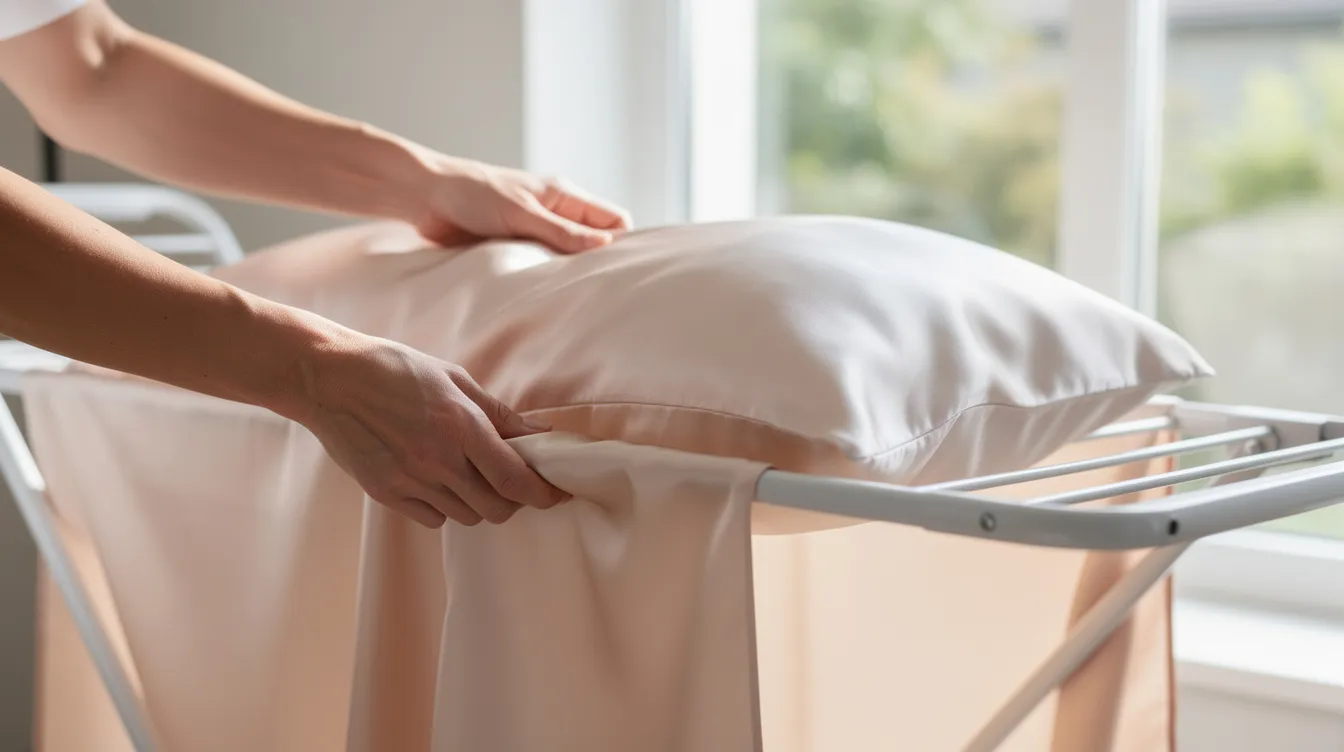
Air dry silk pillowcases to maintain their quality.
Air dry flat or over a rack, away from direct sunlight and high heat.
Avoid tumble drying where possible because heat can weaken silk fibers.
Good care protects the cooling effect, sheen, and smooth feel of silk. It also helps preserve the skin benefits and keeps the pillowcase fresh for sensitive skin and sensitive scalps.
Results Timeline: When Will You See Less Frizz?
Most readers want to know whether silk pillowcases really work quickly. The short answer is yes, but the timeline depends on your hair condition and routine.
Here’s a realistic timeline:
First 3–5 nights: Many users notice less frizz, fewer tangles, and easier styling after switching from cotton to silk.
Around 1 week: Hair often feels softer, smoother, and less dry, especially around the hairline.
After 4–6 weeks: More significant hair health improvements may appear, including reduced hair breakage, better moisture balance, and fewer new split ends.
After 2–3 months: Severely damaged or over-processed hair may show its best improvement when silk is paired with trims, bond-building treatments, and less heat styling.
A silk pillowcase works best as prevention. It helps reduce new friction damage every night, which allows your routine to work better over time.

FAQ: Silk Pillowcase for Frizzy Hair
Will a silk pillowcase help if my hair is extremely damaged from bleach or heat?
Yes, but it will not reverse existing chemical or heat damage. A silk pillowcase can significantly reduce new damage by minimizing friction and moisture loss.
For best recovery, pair silk with regular trims, bond-building treatments, deep conditioning, and heat protection products. This gives damaged hair a better chance to retain strength and softness.
Is a silk pillowcase enough, or do I still need a bonnet or scarf?
For mild to moderate frizz, a silk pillowcase is often enough, especially for wavy or straight hair. It gives your hair a smooth sleep surface and reduces friction all night.
If you have tight curls, coils, protective styles, or very long hair, a silk bonnet or silk scarf can add another layer of protection. Many people use both because the pillowcase protects any hair that slips out.
Can I use a silk pillowcase if I have acne-prone or sensitive skin?
Yes. Silk is naturally less absorbent and smoother than cotton, which can help reduce friction, dryness, and irritation on acne-prone or sensitive skin.
The key is washing the pillowcase regularly. Also avoid heavy, pore-clogging hair products that may transfer from hair to skin during sleep.
Do silk pillowcases make you hot at night?
High-quality mulberry silk is breathable and temperature-regulating. It often feels cooler to the touch than cotton or polyester satin.
Silk can wick away light perspiration without feeling damp, making it comfortable in warm and cool seasons. If you sleep very hot, choose 22 momme rather than a heavier 25+ momme option.
How can I tell if my “silk” pillowcase is real mulberry silk?
Check the product label for “100% mulberry silk,” “Grade 6A,” and a momme weight such as 22 momme. Avoid vague descriptions like “silky,” “satin feel,” or “silk-like” if the material is not clearly listed.
Look for transparent material details, certifications, and credible reviews. Very low prices often indicate polyester satin or blended fabric rather than real silk.
A quality silk pillowcase is a small change with a big payoff: less friction, less moisture loss, fewer knots, and smoother mornings. If frizz is part of your daily routine, upgrading from cotton to 100% Grade 6A mulberry silk is one of the simplest ways to protect your hair while you sleep.
You May Also Like


Join Our Newsletter
Sign up to be the first to know about our can't-miss product drops, special VIP offers & exclusive discounts.