

Silk Pillowcase Benefits: Proven Ways They Help Your Hair, Skin, and Sleep

Featured Product

Table of Contents
- Silk Pillowcase Benefits: Proven Ways They Help Your Hair, Skin, and Sleep
- Key Takeaways
- Why Silk Pillowcases Are Different (and Worth Considering)
- Silk vs. Cotton and Other Fabrics
- The Skin Benefits of a Silk Pillowcase
- The Hair Benefits: Less Frizz, Breakage, and Bed Head
- Cooler, Drier, and More Comfortable Sleep
- Mulberry Silk, Satin Pillowcases, and "Other Fabrics": What Really Matters
- How to Choose a Quality Silk Pillowcase
- How to Care for a Silk Pillowcase (So the Benefits Last)
- Are Silk Pillowcases Really Worth It?
- Frequently Asked Questions
Silk Pillowcase Benefits: Proven Ways They Help Your Hair, Skin, and Sleep
If you've heard the hype around silk pillowcases but aren't sure what's real, you're in the right place. This guide breaks down the proven benefits of silk pillowcases for hair, skin, and sleep quality - backed by lab data and clinical research - and shows you exactly how to choose one that actually delivers.
Key Takeaways
High-grade mulberry silk pillowcases are one of the simplest upgrades for healthier hair and smoother skin overnight. The core advantages come from less friction, lower moisture absorbency, and natural temperature regulation compared with cotton pillowcases and other fabrics.
Consistent nightly use can lead to fewer sleep creases, calmer acne prone skin, and noticeably smoother hair within two to four weeks.
Not all silk pillowcases are equal. The proven benefits are tied to 100% mulberry silk at the right momme weight (19–25 mm) with proper quality certifications - not generic satin fabric or "silky" synthetics.
Silk's hypoallergenic properties and breathability also make it a strong choice for allergy sufferers, hot sleepers, and anyone with sensitive skin or skin conditions like eczema.
This article covers silk vs. satin pillowcases, how to choose quality silk products, and care instructions so those benefits of silk actually last.
Why Silk Pillowcases Are Different (and Worth Considering)
More people are investing in mulberry silk pillowcases - not just for the luxurious feel, but because the fabric science behind silk genuinely supports skin and hair health. This isn't another beauty world trend that fizzles out in six months.
Silk is a natural fabric made from protein fibers - primarily fibroin (which gives silk its strength and sheen) and sericin, a protein that promotes skin hydration. Silk fibres are structurally closer to human hair and skin than cotton or synthetic materials, which partly explains why silk works so well against the body. Mulberry silk, specifically, comes from silkworms fed exclusively on mulberry leaves, producing longer, more uniform silk threads than other varieties.
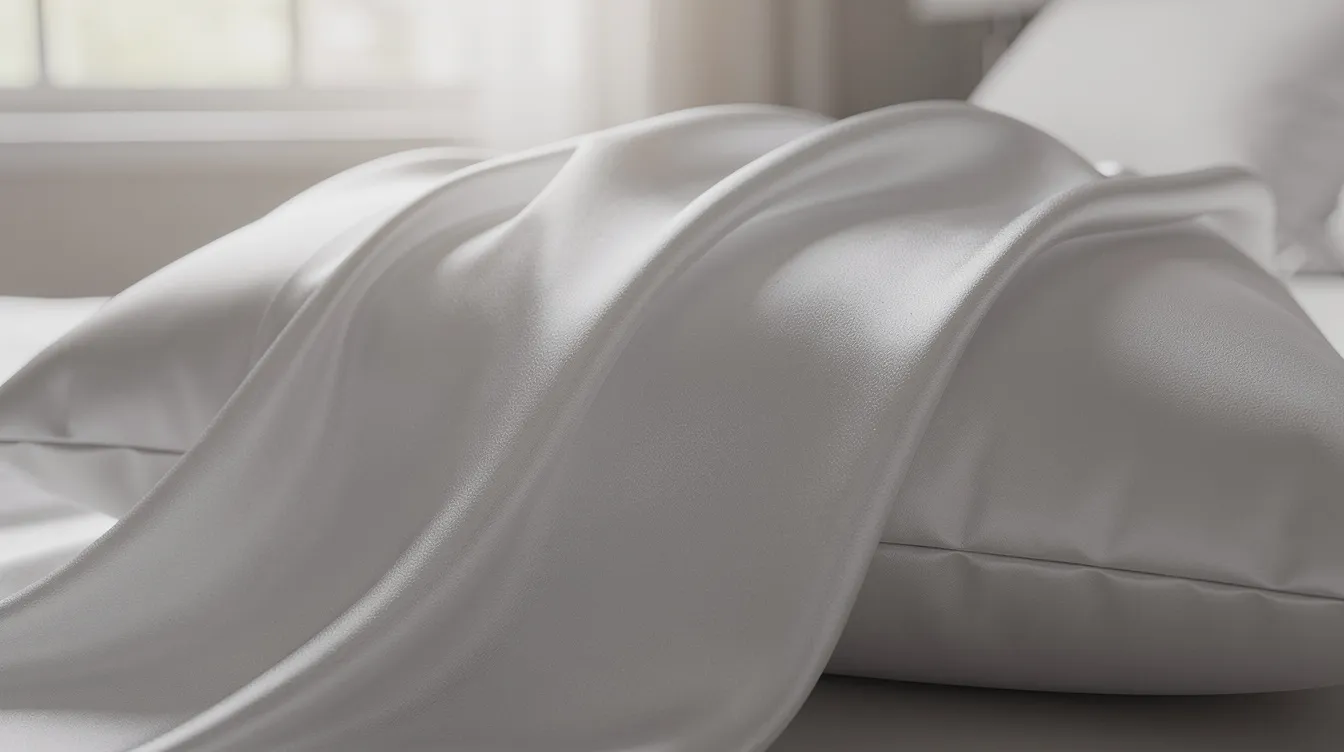
The benefits of a silk pillowcase come down to a combination of factors: a smooth surface that reduces drag, low absorbency that lets skin and hair retain moisture, natural breathability, and hypoallergenic properties. No single "miracle" ingredient - it's the whole package working together.
Set expectations honestly: silk supports healthier hair and skin over weeks and months. It doesn't erase deep wrinkles, cure acne, or replace your skincare routine. Think of it as a tool that removes daily damage rather than actively "healing" anything.

Silk vs. Cotton and Other Fabrics
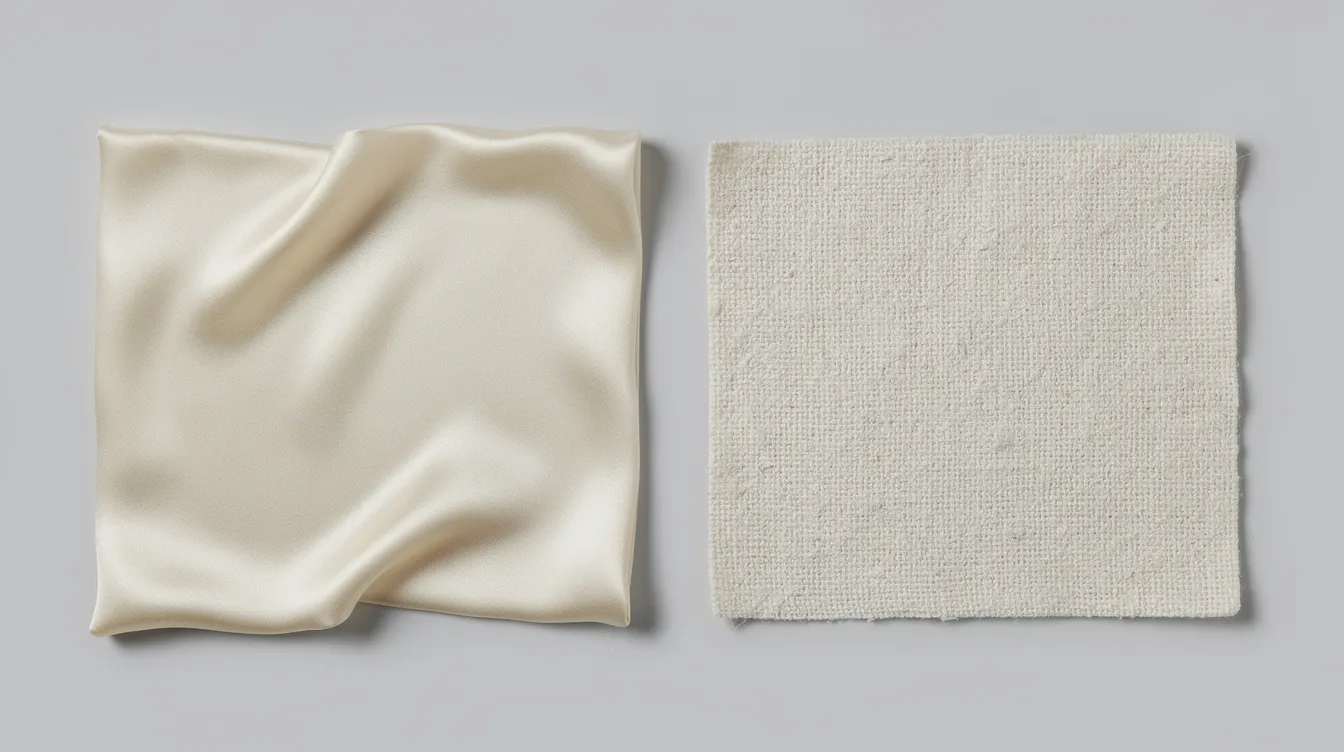
When you compare 100% mulberry silk against cotton, flannel, linen, and polyester, the differences are measurable - not just marketing.
Cotton and rougher fabrics create friction against skin and hair throughout the night. That friction contributes to frizzy hair, sleep wrinkles, and irritation on delicate facial skin. Unlike cotton, silk's smooth fabric surface allows hair and skin to glide freely, reducing mechanical damage.
Absorbency is the other major differentiator. Cotton can absorb roughly 25–30% of its weight in moisture, pulling natural oils and applied products away from your face and hair. Silk is less porous than cotton and absorbs less moisture - around 11% - which means your skin and hair keep more of what they need overnight.
Silk's tighter silk weaves and protein structure also help resist dust mites and allergens better than loosely woven cotton ones. And while cheap synthetics may feel slippery at first, they pill and become rough quickly. Quality silk maintains its smooth surface far longer than other fabrics.
The Skin Benefits of a Silk Pillowcase
Your face and neck press into the pillow for roughly seven to nine hours every night. Over weeks, months, and years, the fabric you sleep on has a cumulative effect on your facial skin that's hard to ignore.
The skin benefits of switching to silk include fewer sleep creases, better hydration, calmer breakout-prone complexions, and a cleaner sleep surface. Silk won't replace sunscreen or retinoids, but it helps you hold onto the results your skincare routine is already working toward.
Fewer Sleep Creases and a Subtle Anti-Aging Effect
Side and stomach sleepers press delicate facial skin into the pillow all night. Over time, the repeated compression and drag from rougher fabrics can turn temporary sleep creases into permanent wrinkles.
Silk pillowcases reduce sleep creases by 43% compared to cotton. That number comes from friction testing where silk surfaces generated significantly less resistance against skin than standard cotton. Silk's smooth surface reduces friction that causes wrinkles, so instead of skin being tugged and folded, it glides across the pillow with reduced friction.
Silk minimizes compression that creates new facial creases, and silk pillowcases help prevent wrinkles over weeks of consistent use. This won't erase existing expression lines or sun damage, but fewer sleep creases each morning adds up to visibly smoother skin over months. Consistent use - night after night - is what produces the cumulative anti-aging effect.
Better Skin Hydration and Less Product Waste
Cotton pillowcases readily soak up natural sebum and water from the outer skin layers, which can worsen dry skin and morning dullness. Silk does not absorb skincare products like cotton does, so occlusive creams and serums stay on your face instead of being wicked into the fabric.
Silk pillowcases absorb significantly less face cream than cotton - lab tests confirm that more product remains available to act on the skin when you sleep on silk. Silk pillowcases help skin retain natural moisture, and silk contains sericin, which promotes skin hydration at the fabric-skin interface.
Someone using a hydrating night cream notices less "morning tightness" and better glow after switching to silk for a few weeks. Retaining more moisture supports the skin barrier, which can calm redness and sensitivity over time. That said, consistent cleansing and appropriate skincare remain essential - silk enhances your skincare routine but does not replace it.
Gentler on Sensitive, Acne-Prone, and Irritated Skin
Rougher fabrics create friction that can aggravate acne, rosacea, eczema, and post-treatment skin through repeated micro-trauma each night. Silk's non-scratchy surface reduces that mechanical irritation.
Silk pillowcases can help ease eczema symptoms. A 2019 study found silk improves skin irritation in dermatitis, and clinical trials of silk clothing therapy - such as the CLOTHES trial for children with moderate-to-severe atopic dermatitis - showed measurable improvements in severity and quality of life when silk was used in direct skin contact.
Silk pillowcases help prevent acne by reducing bacteria exposure and keeping the pillow surface cleaner between washes. For anyone with active skin conditions, pairing a silk pillowcase with regular laundering and dermatologist-prescribed treatments delivers the best results.
Hypoallergenic Properties and a Cleaner Sleep Surface
"Hypoallergenic" means less likely to trigger allergic reactions - not completely allergy-proof. Silk is naturally hypoallergenic and resists dust mites thanks to its tight weave and protein structure, which make the fabric a less hospitable environment for common bedroom allergens.
Silk pillowcases minimize allergen exposure during sleep and resist bacteria, unlike cotton alternatives. Research has shown silk has been shown to inhibit E.coli and Staphylococcus aureus, two common bacteria associated with skin irritation.
Silk's lower moisture retention means microbes have fewer favorable conditions to multiply. However, a pillowcase alone won't sterilize your sleep environment. Allergy sufferers should combine a silk pillowcase with a protective pillow cover, regular hot washing of duvet covers and bedding, and appropriate air conditioning or filtration for the best results.
The Hair Benefits: Less Frizz, Breakage, and Bed Head
Hair spends a third of every day rubbing against the pillow. That friction - combined with moisture-stripping absorbency - directly affects split ends, hair breakage, and morning tangles. Users notice smoother hair within 2-4 weeks of use on a pure silk pillowcase.
Silk supports healthier hair by reducing damage. It doesn't replace trims, conditioning, or scalp care, but it removes one of the biggest ongoing sources of mechanical stress on your strands.
Less Friction, Less Frizz, and Fewer Split Ends
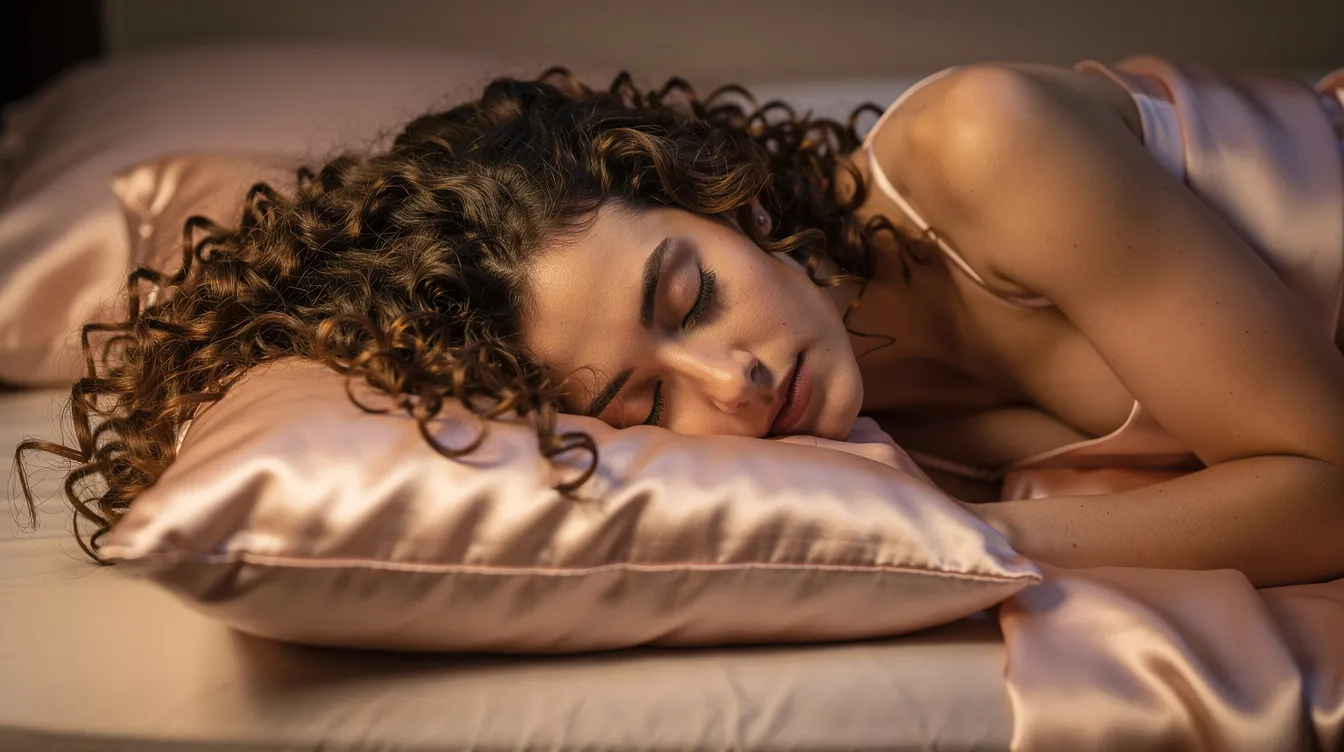
Rougher fabrics lift and catch the hair cuticles, leading to static, snagging, and breakage - especially on long, fine, or fragile hair. Silk reduces frizz and tangles in hair during sleep by allowing strands to glide freely across its surface.
Silk pillowcases reduce hair breakage by minimizing friction. Lab testing found silk generated approximately 34% less friction against human hair than cotton, while cotton produced around 51% more friction than silk. Over time, that nightly reduction in friction means fewer split ends and broken strands, particularly at high-stress points like mid-lengths and ends. Waking up with fewer tangles and less halo frizz around the crown is one of the first changes people notice.
Helps Hair Retain Moisture and Shine
Cotton and many other fabrics quickly wick away the natural oils and moisture that keep hair flexible and glossy. Silk helps keep hair hydrated by retaining natural oils on the hair shaft, supporting softness and natural shine.
This is especially important for color-treated, bleached, or chemically treated hair, which is more porous and prone to dryness. Someone using hydrating hair treatments or overnight serums gets more benefit because less product is absorbed into the pillowcase. Silk won't make hair oily - it simply avoids over-absorbing oils, helping maintain a healthy balance. The result is smoother hair with more visible shine and less straw-like dryness.
Preserves Curls, Blowouts, and Protective Styles
Silk pillowcases help maintain hairstyles overnight. Reduced friction means curls, coils, braids, and blowouts keep their shape longer. For naturally curly or textured hair, silk can mean looser, more defined curls in the morning instead of flattened or frizzy hair.
Those who wrap hair, wear a bonnet, or sleep with rollers still benefit from a silk pillowcase as backup protection when wraps slip. A person with a salon blowout can often stretch it from two to three or more days on silk. Pairing silk with gentle nighttime habits - like loose braids or pineapple updos - maximizes frizz control and gives you fewer tangles and better style longevity.
Cooler, Drier, and More Comfortable Sleep
Beyond hair and skin, the fabric you sleep on changes how hot, sweaty, or comfortable you feel through the night. Silk helps maintain a comfortable temperature throughout the night by combining breathability, temperature regulation silk provides naturally, and effective moisture management.
This matters most for hot sleepers, those in warm climates, and people experiencing night sweats or hot flashes. Silk won't fully replace air conditioning or breathable duvet covers, but it complements those choices for a calmer, more restful sleep.
Temperature-Regulating and Breathable, Not Stuffy
Silk is a naturally breathable fiber. The fibers of silk have a hollow center that allows for airflow, and silk allows air to circulate freely while sleeping, helping dissipate excess heat away from the skin. Silk's breathability helps prevent overheating during sleep.
Silk pillowcases help regulate body temperature during sleep - feeling cool to the touch at bedtime yet gently adjusting to body temperature as the night progresses. This temperature regulation silk offers works in both warm and cooler seasons. The practical result: fewer moments of flipping the pillow to find "the cool side," and fewer micro-awakenings from an overheated face and scalp.
Unlike heavy flannel or other natural fibers that insulate aggressively, silk strikes a balance. Those who run very cold may still want warmer bedding underneath, but the pillow surface stays comfortable.
Moisture-Wicking Without Over-Drying Skin and Hair
There's an important distinction between absorbency and moisture wicking properties. Silk wicks moisture and adapts to body temperature better than cotton, moving sweat away from the skin surface without fully soaking and holding it.
Silk pillowcases reduce nighttime sweating for more consistent comfort. The result is fewer sweaty patches on the pillow after a warm night, and less makeup or product transferring onto the fabric. This dryness is different from cotton's moisture-stripping effect - silk does not pull water from skin and hair themselves the way cotton does, creating a more balanced sleep environment.
Regular washing is still necessary, since oils, sweat, and silk products still accumulate on any pillowcase over time.
Mulberry Silk, Satin Pillowcases, and "Other Fabrics": What Really Matters
"Silk" is a fiber. "Satin" is a weave. Satin pillowcases can be made from silk, polyester, or blends - and most inexpensive satin pillowcases on the market are polyester. That distinction matters enormously.
Polyester satin fabric can mimic some slipperiness but lacks silk's natural protein structure, breathability, and hypoallergenic profile. Synthetic materials tend to trap more heat, generate more static, and don't manage moisture or allergens as well as mulberry silk.
Among silk types, mulberry silk is preferred for pillowcases because its filaments are smoother, more uniform, and more durable than other varieties like eri, tasar, or muga silk. Not all silk pillowcases deliver the same results - the fiber source and quality grade drive performance far more than the weave pattern alone.
While polyester satin can be a budget-friendly step up from rough cotton, for the proven benefits of a silk pillowcase - less friction, fewer sleep creases, lower absorbency, and natural super soft breathability - 100% mulberry silk is the more complete choice.

How to Choose a Quality Silk Pillowcase
Avoiding low-quality or misleading silk products is essential if you want the actual benefits. Key quality markers include fiber type, grade, momme weight, weave, and certifications. Be wary of vague labels like "silky" or "silk-feel" - they often indicate polyester, not real silk.
Look for 100% Mulberry Silk and the Right Momme
"100% mulberry silk" on the label means the fabric is entirely made from mulberry silk fibers - not blended with cotton or synthetics. "Momme" (mm) is the weight and density measure for silk fabric, roughly analogous to thread count for cotton.
Momme Weight |
Best For |
Notes |
|---|---|---|
16–18 mm |
Budget option |
Thinner, less durable, wears faster |
19–22 mm |
Ideal sweet spot |
Balances durability, smoothness, and drape |
23–25 mm |
Premium/luxury |
Heavier, more opulent feel, higher cost |
Very low momme can feel flimsy and wear out quickly. Extremely high momme may feel heavier and slightly less fluid. If the product page doesn't clearly state both fiber content and momme, treat that as a red flag.
Check Grade, Weave, and Certifications
Grade 6A is the highest commonly available silk grade - it indicates longer, more uniform fibers and fewer flaws. Charmeuse or satin weaves are typically used for silk pillowcases because they give one side a glossy, ultra-smooth finish ideal for skin and hair.
Look for safety certifications such as OEKO-TEX Standard 100, which means the natural fabric has been tested for harmful substances. Transparent product pages that specify grade, weave, and certification are far more trustworthy than those only emphasizing colors or patterns. Construction details - envelope closures versus zippers, seam quality, and standard/queen/king sizing - also affect longevity and fit.
How to Care for a Silk Pillowcase (So the Benefits Last)
Even the best mulberry silk needs proper care to maintain its smoothness, sheen, and structural integrity. Good news: modern silk pillowcases are easier to maintain than most people expect.
Washing, Drying, and Day-to-Day Maintenance
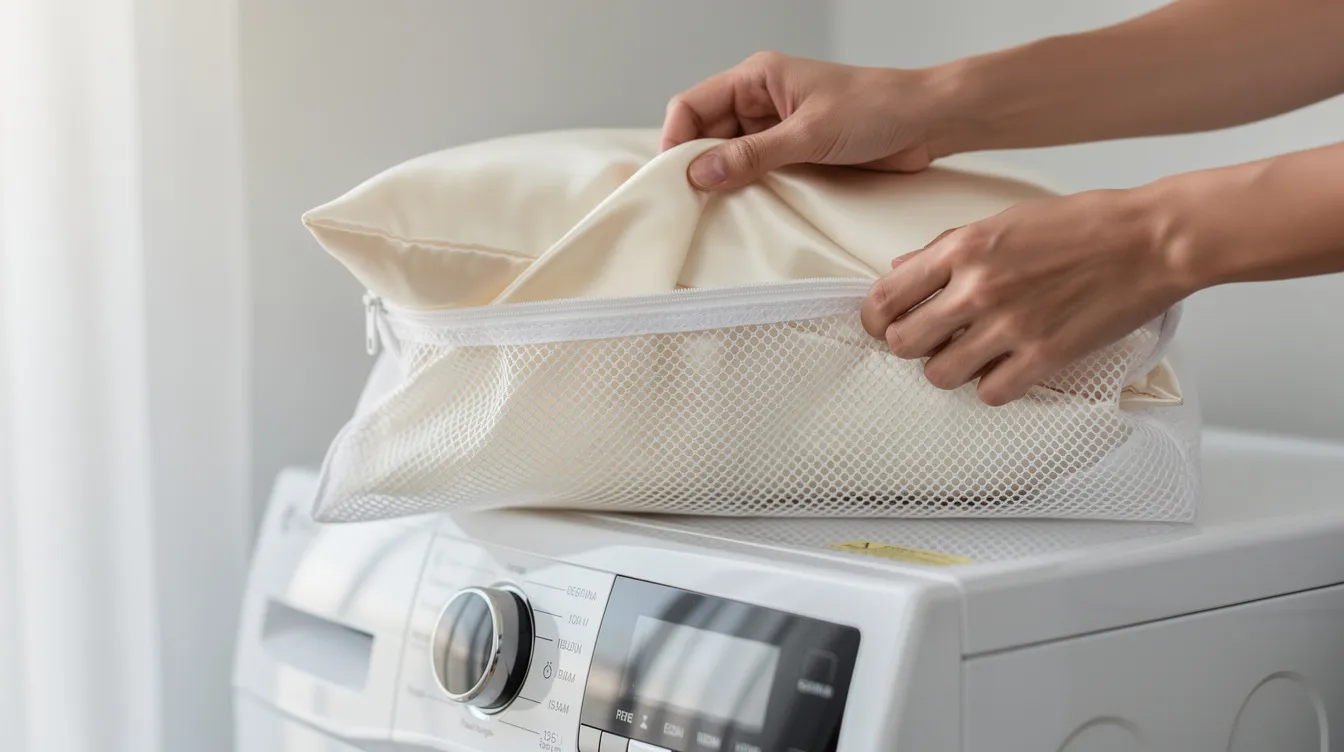
Follow these steps to preserve your silk pillowcase:
Turn the pillowcase inside out and place it in a mesh bag before machine washing
Use cold water, a gentle cycle, and a pH-neutral, enzyme-free detergent suitable for silk or wool
For hand washing, soak gently in cool water - avoid wringing or twisting
Air-dry flat or over a rack away from direct sunlight; avoid tumble-drying or use only the lowest, coolest setting
Iron on a low-temperature silk setting on the reverse side while slightly damp, if needed
Wash weekly - or more often if you use heavy skincare products or have oily skin. Owning two pillowcases and rotating them extends the life of each. Remove heavy hair accessories before bed, and avoid applying rough facial scrubs right before sleep.
Are Silk Pillowcases Really Worth It?
The proven benefits stack up: less friction for hair and skin, fewer sleep creases, better moisture retention, a cooler sleep surface, and a naturally hypoallergenic environment compared with cotton pillowcases and rougher fabrics. Over time, you may also save on hair treatments and styling products, since silk helps you retain moisture and product rather than losing both to your pillow.
The main downsides are a higher upfront cost and the need for gentler care. Silk is a supporting tool - it magnifies existing hair and skin care efforts rather than replacing them. It won't cure damaged hair, acne, or permanent wrinkles on its own.
Who benefits most:
People with frizzy hair, curls, or chemically treated hair
Anyone with sensitive skin, acne prone skin, or skin conditions like eczema or atopic dermatitis
Hot sleepers looking for better temperature regulation
Those already investing in nighttime skincare or hair care
Side and stomach sleepers seeking fewer sleep creases
Anyone who wants a good night's sleep with a more comfortable, clean sleep surface
Start with a single 22-momme mulberry silk pillowcase, give it four to six weeks, and pay attention to what changes. The benefits accumulate quietly - and once you've slept on quality silk, cotton feels noticeably rougher.

Frequently Asked Questions
How long does it take to see benefits from a silk pillowcase?
Some benefits are immediate. A cooler, smoother feel and fewer sleep creases are noticeable within the first few nights. Hair improvements - less frizz, fewer tangles, reduced breakage - typically become clear after about two to four weeks of consistent nightly use. Skin benefits like calmer irritation or fewer fabric-related breakouts may take several weeks, especially when other factors like diet, hormones, and products are involved. Give silk at least one full skin renewal cycle (roughly four to eight weeks) before judging results.
Can a silk pillowcase help with frizzy hair and curls specifically?
Yes - silk is particularly helpful for curly, coily, and wavy hair types because those textures are more prone to dryness and mechanical damage from rougher fabrics. Reduced friction and lower absorbency help curls stay more defined and less matted by morning. Pairing a silk pillowcase with curl-friendly routines like leave-in conditioners or protective braids amplifies the effect. Silk doesn't change hair texture, but it protects the pattern you already have from overnight disruption.
Is silk really better than a satin pillowcase?
Many polyester satin pillowcases do offer less friction than rough cotton and can reduce hair tangles and frizz. However, only satin woven from real silk fiber combines low friction with natural breathability and hypoallergenic properties. Synthetic satin tends to trap more heat, doesn't manage moisture as well, and can create friction over time as the fabric pills. If you're on a tight budget, polyester satin is a reasonable stepping stone - but for the full, long-term benefits of silk, 100% mulberry silk is the more reliable choice.
Do silk pillowcases help with acne or are the benefits overhyped?
Silk pillowcases can support acne prone skin by reducing friction, harboring fewer bacteria, and absorbing less of your topical treatments. They are not an acne cure. The main advantages are fewer mechanical irritants and a cleaner sleep surface, which may make prescribed treatments more effective. Wash your silk pillowcase weekly, follow dermatologist-recommended acne treatments, and set realistic expectations. Silk removes one source of irritation, but hormones, diet, and skincare ingredients typically play a larger role in breakouts.
How many silk pillowcases do I need and how long do they last?
Two per pillow is ideal - one in use, one in the wash. With proper care, a high-quality mulberry silk pillowcase can last two to five years or more without losing its smooth surface. Signs it's time to replace include visible thinning, fraying seams, or a noticeably rougher texture that no longer allows skin glides easily. Following care instructions and rotating cases consistently maximizes both hygiene and longevity.
You May Also Like


Join Our Newsletter
Sign up to be the first to know about our can't-miss product drops, special VIP offers & exclusive discounts.