

Satin Pillowcases for Hair: Guide to Beautiful, Healthier Hair

Featured Product

Table of Contents
- Satin Pillowcases for Hair: Guide to Beautiful, Healthier Hair
- Beauty Sleep: Satin Pillowcases, Hair, and Skin
- Cotton Pillowcases vs Satin Pillowcases
- What Is Satin?
- Benefits for Hair: Satin Pillowcase Effects on Hair Health
- Benefits for Skin: Pillowcase Effects on Skin and Beauty Sleep
- Mulberry Silk Pillowcase vs Synthetic Satin Pillow Case
- Choosing the Right Pillow Case for Your Hair Types
- Care and Cleaning for Satin and Mulberry Silk Pillowcases
- How to Use Satin Pillowcase for Best Results
- Buying Guide: Mulberry Silk Pillowcase Quality Signals
- FAQ: Satin Pillowcases for Healthier Hair and Beautiful Hair
- Conclusion: Invest in Better Beauty Sleep
Satin Pillowcases for Hair: Guide to Beautiful, Healthier Hair
If you wake up with frizz, knots, flat curls, or dry ends, your pillowcase may be part of the problem. This guide to satin pillowcases hair benefits explains how a smoother sleep surface can support hair health, reduce nighttime friction, and help protect hair and skin while you rest.
We’ll compare satin, silk, and cotton, explain what to look for in a quality pillow case, and show you how to care for satin pillowcases and silk products so they last.
Beauty Sleep: Satin Pillowcases, Hair, and Skin
The goal is simple: use a softer, smoother pillowcase to reduce mechanical stress on human hair throughout the night. Silk pillowcases reduce friction and prevent hair breakage, while satin pillowcases help maintain hair hydration and prevent dryness.
Beauty sleep matters because hair rubs against your bed for hours. Tossing, turning, and pressure can rough up the cuticle, especially if you have textured hair, frizzy hair, long hair, color, or chemical treatments. Over time, friction can lead to hair damage, split ends, dullness, and less manageable hair.
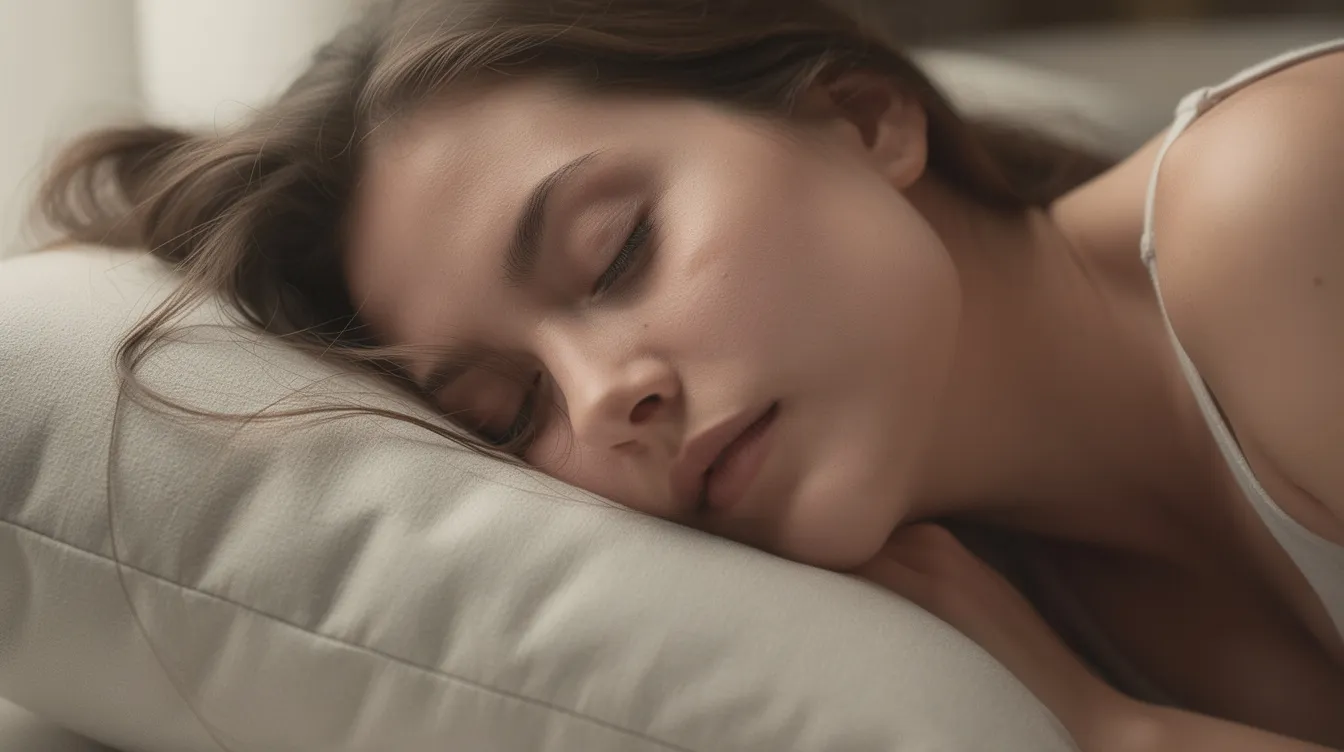
Skin is affected, too. Side sleepers often see sleep lines from repeated pressure and dragging against fabric. A smooth surface lets skin glide instead of pulling, which may help reduce temporary creases, wrinkles, irritation, and moisture loss.

Cotton Pillowcases vs Satin Pillowcases
Cotton pillowcases are made from cotton, a natural fiber that is breathable, durable, and easy to wash. Cotton can be crisp, soft, or silky depending on how it is woven, but it is also absorbent.
Cotton pillowcases absorb moisture, leading to dry hair. Unlike cotton, satin is less porous than cotton, which wicks moisture from hair. That matters if you rely on natural oils, leave-in conditioner, or styling cream to keep your hair smooth.
Satin pillowcases are made with a satin weave, which creates a glossy front and often a matte finish on the reverse side. Satin pillowcases reduce hair damage by providing a smooth, frictionless surface. Satin pillowcases allow hair to glide to reduce mechanical stress, while cotton can catch strands and create more friction.
What Is Satin?
What Is Satin?
Satin is a type of weave, often synthetic. More specifically, satin is a weave, not a fiber. A satin weave uses longer thread “floats” to create a soft, smooth, shiny face on the fabric.
Common satin fibers include:
Polyester
Nylon
Acetate
Rayon
Silk
Polyester satin is the most common budget option. Satin is typically less expensive and more durable than silk, which makes it appealing if you want one pillowcase for travel, guest use, or everyday rotation. However, satin lacks the natural properties of silk for hair health.
Care is usually easier with synthetic satin. Polyester can often handle machine washing better than silk, though a gentle cycle is still best for preserving a silky feel.
What Is Mulberry Silk?
Silk is a natural protein fiber from silkworms. Mulberry silk comes from silkworms fed mulberry leaves, which helps produce long, uniform, smooth fibers. Pure mulberry silk means the fabric is 100% mulberry silk, not a blend or “silk-like” polyester.
A mulberry silk pillowcase differs from synthetic satin because genuine silk is breathable, temperature-regulating, and naturally smooth at the fiber level. Silk contains amino acids beneficial for hair and skin, and silk fabric is known for its luxurious feel.
A quality silk pillowcase is often made with Grade 6A mulberry silk and a momme weight around 19 to 25. For many shoppers, 22 momme is a strong balance of softness, durability, and quality.
Benefits for Hair: Satin Pillowcase Effects on Hair Health
Satin helps in four practical ways:
Minimizing friction between hair and pillow
Helping hair retain moisture and natural oils
Reducing tangles during sleep
Helping styles hold their shape overnight
Satin helps maintain hairstyles by allowing smooth gliding across the pillow. This is useful for blowouts, curls, braids, twists, and heat-styled hair. Satin's non-absorbent nature prevents hair from drying out, and satin pillowcases help retain natural hair oils.
Satin minimizes frizz by preventing hair cuticle damage. Satin's texture minimizes static electricity in hair, reducing frizz. Satin reduces hair tangling and creates less breakage during sleep.
Silk offers similar benefits with a more natural fiber profile. Silk's smooth surface minimizes tangles and split ends. Silk reduces friction, preventing hair breakage and split ends. Silk pillowcases help maintain hair hydration and prevent dryness. Silk's smooth surface minimizes tangles and frizz in hair.
With consistent use, silk pillowcases can improve hair texture and shine over time. Many people notice their hair smooth in the morning, with less breakage, fewer knots, and better curl definition. The result is not magic, but it can help you maintain beautiful hair by preventing avoidable overnight stress.
Benefits for Skin: Pillowcase Effects on Skin and Beauty Sleep
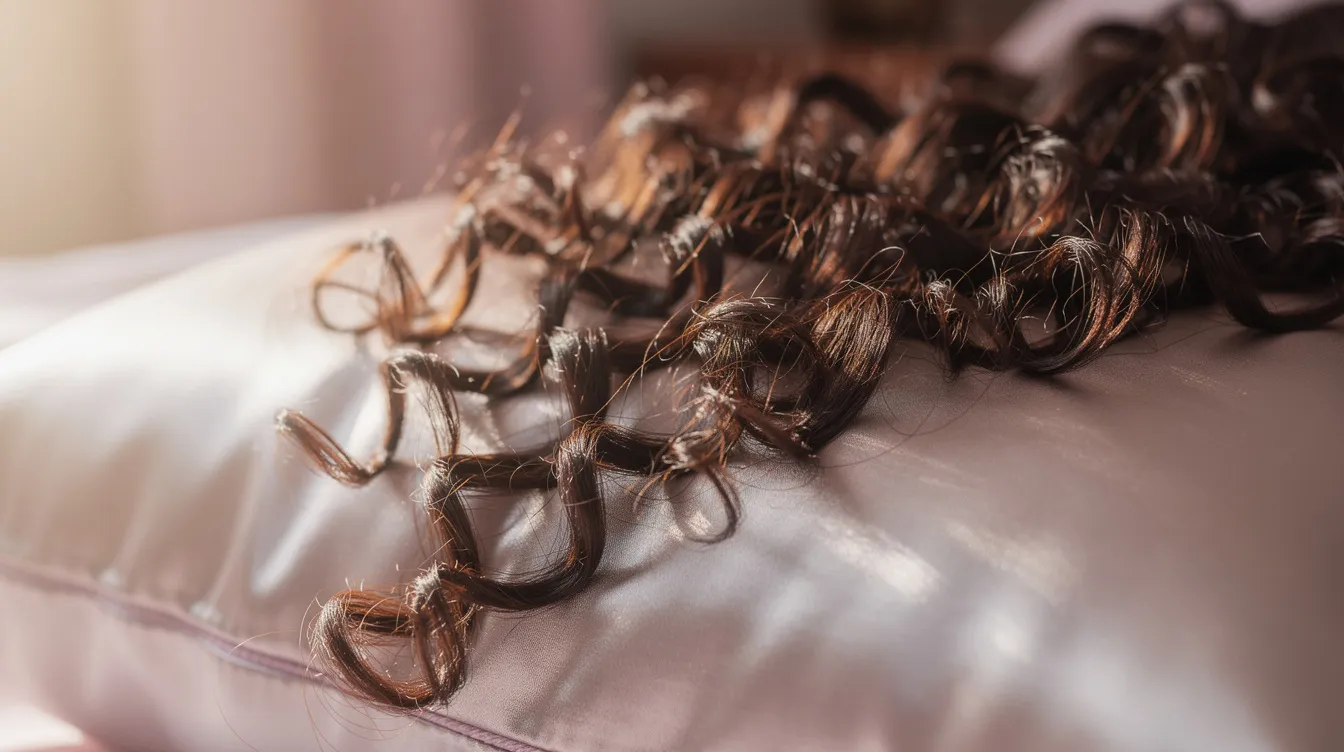
A satin or silk pillowcase can also help skin by reducing drag. When skin slides more easily across the pillow, there is less pulling at the cheeks, forehead, and jawline. This can reduce sleep lines, especially for side sleepers and stomach sleepers.
Satin and silk also help preserve skin moisture. Cotton absorbs oils, sweat, and skincare products more readily, while silk and satin tend to leave more moisture where you want it: on your skin.
Skin types that may benefit most include:
Dry skin that loses moisture easily
Sensitive skin that reacts to rough fabric
Mature skin concerned with wrinkles and sleep lines
Acne-prone skin that benefits from frequent wash routines and less product transfer
Reactive skin affected by dust mites or scratchy other pillowcases
If you already use sleep masks, consider matching them with a silk pillowcase or satin pillowcase to keep the same soft, low-friction contact around the face.
Mulberry Silk Pillowcase vs Synthetic Satin Pillow Case
A mulberry silk pillowcase is the premium choice for people who want the benefits of silk and a natural fiber. Pure mulberry silk is breathable, soft, temperature-aware, and naturally elegant. Polyester satin is usually cheaper, more durable in the laundry, and easier to replace.
Here’s a quick comparison:
Feature |
Mulberry silk pillowcase |
Polyester satin pillow case |
|---|---|---|
Fiber |
Natural protein fiber |
Synthetic polyester |
Feel |
Soft, smooth, luxurious |
Smooth, silky, often cooler at first touch |
Breathability |
Usually more breathable |
Can trap heat |
Cost |
Higher |
Lower |
Care |
More delicate |
Easier |
Best for |
Sensitive skin, curls, frizz, long-term quality |
Budget-friendly smoothing |
Mulberry silk is often preferred for sensitive sleepers because genuine silk naturally resists dust mites better than many fabrics and feels gentle on irritated skin. That said, satin pillowcases provide a budget-friendly alternative to silk pillowcases.
Durability depends on quality and care. A quality silk case can last for years if washed correctly, while polyester satin may tolerate frequent washing but lose its sheen or softness sooner. If night sweats are a concern, silk may feel more breathable; if budget is the main concern, satin may be the smarter first step.

Choosing the Right Pillow Case for Your Hair Types
Fine and straight hair often benefits from satin because it reduces friction without weighing hair down. If your main concerns are flyaways, flatness, or light tangling, polyester satin may be enough.
Curly and coily hair usually benefits most from a mulberry silk pillowcase. Textured hair is more prone to dryness because natural oils move less easily down bends and coils. A smoother surface helps curls keep their pattern and reduces frizz.
Chemically treated or colored hair needs extra protection. Bleach, relaxers, perms, keratin treatments, and frequent heat styling can weaken strands. For these hair types, silk is often worth the upgrade because it is gentle, smooth, and helps reduce friction-related breakage.
If you have long hair, combine a satin or silk pillowcase with a loose braid, pineapple, or bonnet so your ends stay protected throughout the night.
Care and Cleaning for Satin and Mulberry Silk Pillowcases
Always wash silk pillowcases before first use. For pure mulberry silk, use cold water and a silk-specific detergent for washing silk pillowcases. Wash silk pillowcases on a delicate cycle in cold water, or have them hand washed if the care label recommends it.
Best steps for silk:
Place the pillowcase in a mesh laundry bag.
Use cold water and mild silk detergent.
Choose a gentle cycle.
Avoid bleach, enzymes, and fabric softeners.
Do not wring the fabric.
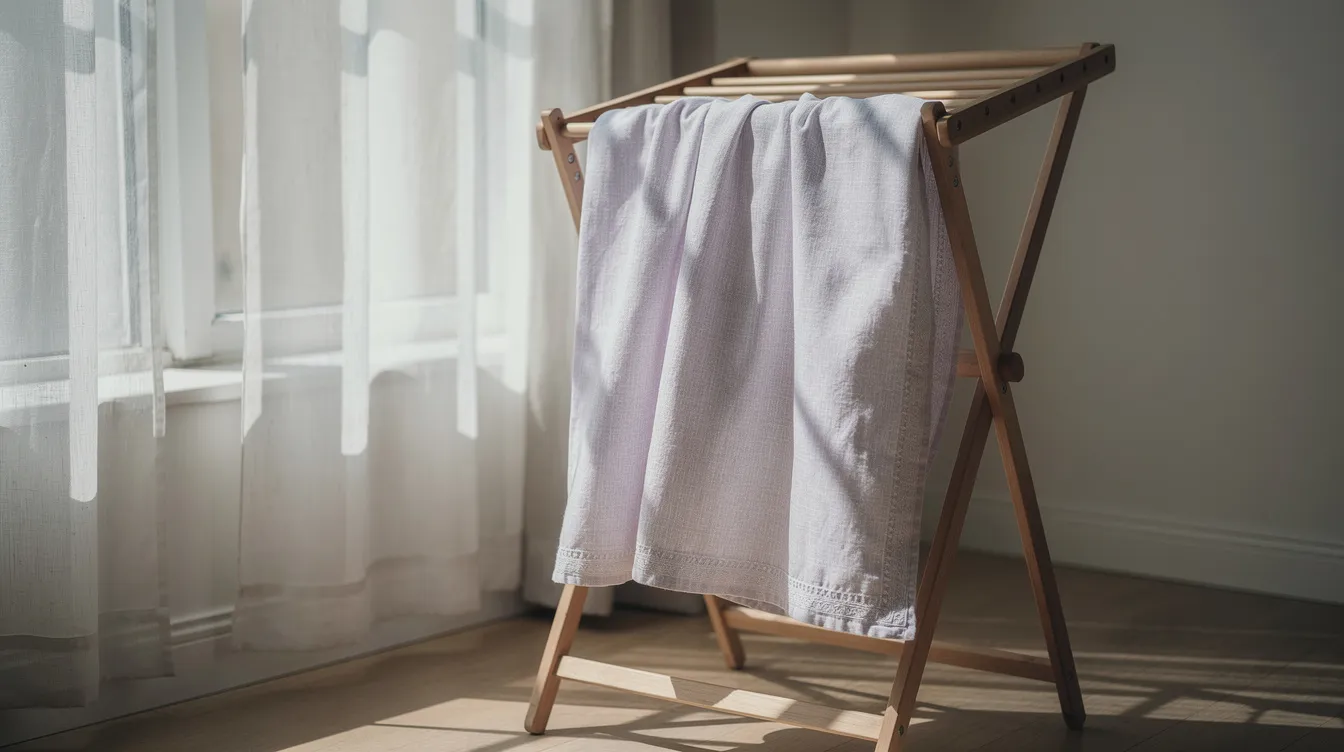
Avoid using a dryer for silk pillowcases to prevent damage. Hang silk pillowcases to dry away from direct sunlight. You can also lay silk flat to air dry.
Synthetic satin is easier. Most polyester satin can be washed on a gentle or normal cycle with mild detergent. Use low heat or air dry to protect the smooth surface. Store silk and satin away from rough zippers, jewelry, or hooks that might snag the fabric.
How to Use Satin Pillowcase for Best Results
A pillowcase helps most when paired with a simple nighttime routine. Before sleep, detangle gently, apply a small amount of leave-in conditioner if needed, and avoid going to bed with soaking wet hair.
For curls, coils, and long hair, use a loose braid, twists, a pineapple, or a silk bonnet. A bonnet protects strands that may not stay on the pillow, especially if you move a lot at night.
Fit matters, too. Choose the right size so the pillowcase does not twist or bunch. A zipper closure can keep the pillow secure and create a clean surface, while an envelope closure avoids exposed hardware. Either can work as long as it provides a secure fit and does not rub against your hair or skin.
Buying Guide: Mulberry Silk Pillowcase Quality Signals
When buying a mulberry silk pillowcase, check the specifications instead of relying on words like “silky” or “luxury.” Good signs include:
100% pure mulberry silk
Grade 6A silk
19 to 25 momme weight
Smooth seams
Hidden zipper closure or deep envelope closure
Clear care instructions
Certification for fabric safety, when available
Be careful with vague labels. “Silk feel,” “satin silk,” and “silky satin” may not mean genuine silk. If the price seems too low for pure mulberry silk, look closer before buying.
Typical pricing varies. Budget polyester satin often costs much less than silk. Mid-range silk may be lighter or lower grade. Premium quality silk pillowcases usually cost more, but many people absolutely love the feel and long-term results enough to justify the upgrade.
If you like matching silk products, some brands also sell sleep masks, scrunchies, and sheets in the same fabric. You do not need beauty tips in your inbox daily to know the rule: confirm the fiber, weight, and closure before you buy.
FAQ: Satin Pillowcases for Healthier Hair and Beautiful Hair
Does satin prevent tangles for all hair types?
Satin can reduce tangles for most hair types because it creates less friction than cotton. However, very long, curly, coily, or textured hair may still need a bonnet, braid, scarf, or protective style for best results.
How soon will I notice hair improvements?
Some people notice smoother mornings in a few nights. Frizz and tangles may improve within one to two weeks. Changes like fewer split ends, less breakage, and shinier hair usually take longer because existing damage cannot be reversed overnight.
When does satin outperform cotton pillowcases?
Satin outperforms cotton when your main goals are moisture retention, minimizing friction, less breakage, fewer tangles, and reduced frizz. Cotton may still be useful if you want maximum absorbency or very easy high-heat washing, but it can pull less moisture from skin and hair only when compared with rougher, more absorbent setups.
A senior staff writer testing pillowcases would likely compare comfort, wash results, closure, breathability, and how the hair feels in the morning. Those practical details matter more than packaging claims.

Conclusion: Invest in Better Beauty Sleep
Satin pillowcases hair benefits come down to a simple idea: smoother fabric creates less friction. Satin can help reduce dryness, protect natural oils, and keep styles intact, while a silk pillowcase offers a breathable, premium option for healthier hair and softer skin.
If your mornings involve knots, frizz, or dull ends, test a satin pillowcase for a few weeks. If you want the most luxurious upgrade, choose a mulberry silk pillowcase made from pure mulberry silk and care for it properly.
Better beauty sleep starts with the surface your hair and skin touch every night.
You May Also Like


Join Our Newsletter
Sign up to be the first to know about our can't-miss product drops, special VIP offers & exclusive discounts.