

Satin Pillowcases Benefits: How a Simple Swap Can Transform Your Hair, Skin, and Sleep

Featured Product

Table of Contents
- Satin Pillowcases Benefits: How a Simple Swap Can Transform Your Hair, Skin, and Sleep
- Key Takeaways
- What Is a Satin Pillowcase (and How Is It Different from Silk and Cotton)?
- Hair Benefits of Satin Pillowcases
- Skin Benefits of Satin Pillowcases
- Better Beauty Sleep and Overall Comfort
- Hygiene, Antimicrobial Considerations, and Allergies
- Satin vs Silk vs Cotton: Which Pillowcase Is Best for Hair and Skin?
- How to Choose and Care for a Satin Pillowcase
- FAQ
Satin Pillowcases Benefits: How a Simple Swap Can Transform Your Hair, Skin, and Sleep
Your pillowcase is one of the most overlooked pieces of your nightly routine. You press your face and hair against it for seven to nine hours straight, yet most people never consider what that fabric is actually doing to their skin and hair. Switching from a regular pillowcase to satin can make a measurable difference in how you look and feel each morning, and it takes zero extra effort once it's on your pillow.
Key Takeaways
Satin pillowcases reduce friction compared to cotton or flannel pillowcases, which directly helps prevent hair frizz, hair breakage, and sleep creases on your face.
The smooth surface of satin absorbs less moisture than cotton, helping your skin retain moisture and keeping hair hydrated overnight.
Satin is a satin weave pattern, not a natural fiber. It's often made from polyester satin or other synthetic fibers, making it more affordable and easier to care for than pure silk.
Switching to a satin pillowcase is one of the fastest, lowest-effort changes you can make to support healthier hair and hydrated skin without overhauling your entire nighttime routine.
The beauty benefits of satin accumulate over weeks of consistent use, contributing to smoother hair, calmer skin, and more comfortable beauty sleep.

What Is a Satin Pillowcase (and How Is It Different from Silk and Cotton)?
Satin refers to a weave pattern where threads are floated over several perpendicular threads, creating a smooth, glossy face and a duller back. It is not a natural material by itself. Satin pillowcases are often made from materials such as polyester, nylon, or rayon, meaning satin can be crafted from natural fibers like silk or synthetic fibers like polyester.
Silk, by contrast, is a natural fiber produced by silkworm cocoons. Mulberry silk in particular is prized for its softness, and silk fabric is measured by momme weight and grade. Real silk pillowcases offer moisture-regulating and naturally hypoallergenic properties, but they cost significantly more and require gentler care.
Cotton pillowcases and cotton sheets are breathable and affordable, but cotton is highly absorbent and has a rougher weave. That means more friction against your skin and hair, and more of your natural oils and skincare products getting pulled into the fabric overnight. The same goes for flannel pillowcases, which tend to be even fuzzier.
Both silk or satin pillowcases are smoother than standard cotton, but satin is generally more budget-friendly and comes in a wider variety of colors that coordinate with any bedroom decor. That said, the benefits described in this article apply to good-quality satin pillowcases with a tight weave and a smooth texture, not stiff or low-grade synthetics that may pill or lose their finish quickly.
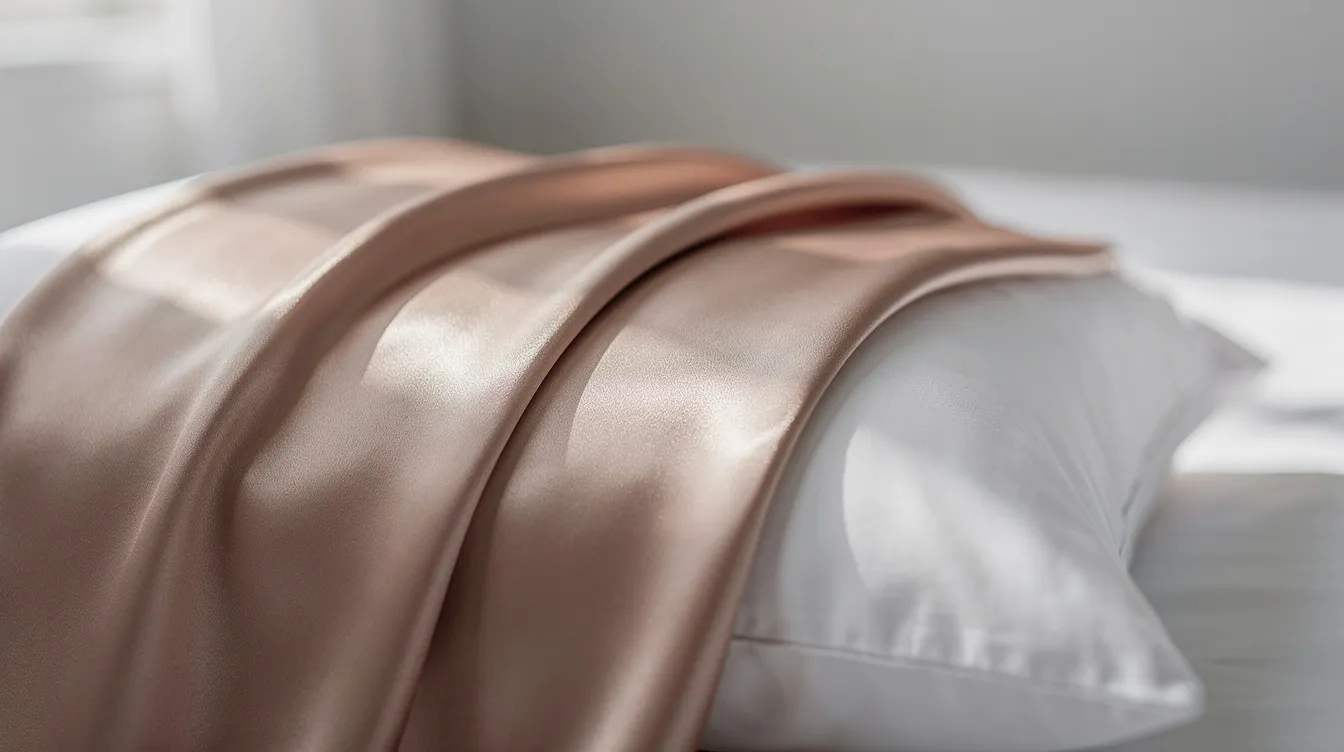
Hair Benefits of Satin Pillowcases
Your hair rubs against your pillowcase for roughly a third of every day. Over time, that friction adds up, especially if your pillow surface is rough or absorbent. Reducing that contact friction can dramatically change how your hair looks when you wake up.
This matters most for people with curly, coily, fine, or color-treated hair, but anyone dealing with frizzy hair, tangles, or lackluster texture will notice a difference. A satin pillowcase lets strands glide instead of snag, supporting better overall hair health without adding products or heat styling to your routine.
Frizz Protection and Smoother Morning Hair
Satin pillowcases reduce hair frizz by minimizing friction. When hair slides across a smooth fabric instead of catching on rough fibers, the cuticle layer stays flatter and less disrupted. The result is smoother hair and fewer "bed head" issues, which is especially noticeable on wavy, curly, and coily textures.
If you currently wake up with a halo of frizz despite applying serums or creams the night before, you will likely see improvement after a week or two on satin. Less friction is also gentler on delicate edges and baby hairs around the hairline, areas that often suffer the most from rough pillow fabrics.
Fewer Tangles and Easier Detangling
Cotton tends to grip hair as you toss and turn, causing it to knot and twist into tangles by morning. Satin pillowcases can help reduce hair tangles overnight because the smooth surface allows hair to slide freely rather than catch and mat.
People with fine, dry, or tangle-prone hair, including children, benefit the most. Pairing a satin pillowcase with a loose braid or pineapple at night provides maximum tangle prevention without complicated styling steps.
Less Chance of Hair Breakage
Satin pillowcases reduce hair breakage by minimizing friction. When strands are not being tugged and caught on fabric fibers, fewer hairs are snapped off during the night. Satin pillowcases lead to fewer broken hairs due to less tugging, and the fact that you wake up with fewer tangles means detangling itself is less aggressive on the hair shaft.
Repeatedly dragging hair across rough fabrics causes split ends, snapped mid-lengths, and thinning, especially on fragile or chemically processed hair. Consistency matters here: the reduction in hair breakage accumulates over weeks and months, contributing to stronger, healthier hair over time.
Your Hairstyle Lasts Longer Overnight
Satin pillowcases can help preserve hairstyles longer than cotton. The slick surface preserves smooth styles like blowouts, silk presses, and roller sets by preventing friction that would normally roughen hair and ruin shape. Cotton pillowcases, by comparison, can flatten curls, create dents, and cause unwanted kinks in otherwise polished looks.
Satin pillowcases help maintain hairstyle for longer periods, so sleepers who invest in salon styling can often stretch their results an extra day or two. Satin is also gentle on clip-in extensions, weaves, and protective styles like braids or twists. For maximum style longevity, combine a satin pillowcase with a loose bonnet or silk sleep mask headband.
Hair Moisture Retention and Hydration
Cotton pillowcases absorb natural oils and hair products, leaving strands dry and dull over time. Satin pillowcases help maintain hair moisture better than cotton because satin fabric absorbs far less moisture, allowing leave-in conditioners and natural oils to stay where they belong.
Satin pillowcases keep hair hydrated by reducing moisture loss, which is especially helpful for curl patterns that already struggle to stay moisturized from root to tip. Track how soft and manageable your hair feels after a week compared to your previous cotton pillowcases, and you'll notice the difference in overall hair health.

Skin Benefits of Satin Pillowcases
Your face spends hours each night pressed into your pillowcase, so the fabric choice directly affects both skin comfort and appearance. Satin pillowcases reduce friction, minimizing skin irritation and reducing the tugging and stretching that contributes to temporary sleep lines and long-term facial aging.
Satin pillowcases are gentler on the skin than cotton, even though satin is usually a synthetic material rather than a natural fabric. People with sensitive skin, dry skin, or acne prone skin often find that satin feels less irritating and helps support a calmer, more hydrated complexion overnight.
Fewer Facial Creases and Sleep Wrinkles
Pressing your face into a wrinkled, stiff cotton pillow can create deep pillow lines. Over years, repeated facial distortion from these creases may contribute to permanent wrinkles, especially in side and stomach sleepers. Satin pillowcases reduce sleep creases on the face because the slippery surface minimizes drag and folding.
Sleeping on satin can prevent permanent sleep wrinkles over time. This is not a miracle anti-aging treatment, but it can be one supportive step in a broader skincare routine. Those who regularly notice pronounced pillow marks each morning may see a visible reduction within a few weeks.
Helps Retain Skin's Moisture for Hydrated Skin
Cotton pillowcases can absorb moisture from your skin, acting like a sponge that soaks up face creams, serums, and natural oils during the night. Satin pillowcases resist absorbing skincare products, leaving more of those products on your skin and supporting your skin's moisture levels.
Satin allows skin to retain moisture, aiding hydration, so satin is less drying than cotton for skin hydration. Satin pillowcases can help maintain skin hydration during sleep and help prevent dry skin overnight. Satin pillowcases help retain skin's moisture levels, which over time supports a healthy skin barrier, especially in dry indoor environments or winter months. Think of satin as a way to let your moisturizers work harder rather than something that replaces your skincare routine.
Reduced Friction and Potential Acne Support
Constant rubbing against rough fabrics can irritate acne prone skin and sensitive skin, contributing to redness, inflammation, and worsened skin conditions. The friction free surface of satin can help reduce mechanical skin irritation, which may be beneficial for breakout-prone areas like cheeks and jawline.
Satin pillowcases help pores breathe, reducing acne chances. Smoother fabrics like satin are less likely to cause micro-abrasions that can worsen post-inflammatory hyperpigmentation and sensitivity. Satin does not cure acne, but it can be a supportive factor alongside dermatologist-recommended treatments for conditions like atopic dermatitis. Wash your satin pillowcases once or twice a week to minimize oil, sweat, and bacteria buildup that can aggravate blemishes.

Better Beauty Sleep and Overall Comfort
Beauty sleep is more than a phrase. Uninterrupted, deep sleep is crucial for skin repair, hair recovery, and overall health. A satin pillowcase contributes to a more comfortable sleep surface with a luxurious feel, which may reduce tossing and turning caused by scratchy fabric and help you get a good night's sleep.
Satin surfaces remain cool throughout the night, and satin can feel sleeker than heavy flannel, helping some hot sleepers regulate body temperature more comfortably. The smooth fabric also plays a role in better sleep by reducing overnight hair tangles and facial creases, which shortens morning routines and lowers stress. Silk clothing therapy and similar concepts follow this same principle: smooth, low-friction textiles against the skin support comfort and recovery. Think of a satin pillowcase as a simple upgrade to your entire sleep environment rather than just another beauty product.
Hygiene, Antimicrobial Considerations, and Allergies
Pillows accumulate sweat, skin oils, and environmental allergens over time. While natural silk has documented antimicrobial properties thanks to its sericin protein, most affordable satin pillowcases made from synthetic fibers do not inherently kill bacteria in the same way. However, satin pillowcases have antibacterial properties that can help reduce breakouts when the fabric is kept clean.
Satin's tightly woven, smooth surface can help by trapping less dust mites and being easier to shake out and wash compared to fuzzy other materials like flannel. For allergy or asthma sufferers, regularly laundering satin pillowcases in hot water can reduce dust mites and pollen on the sleep surface. If antimicrobial properties are a top priority, consider satin pillowcases blended with natural fibers, or look into natural silk options that are naturally hypoallergenic.
Satin vs Silk vs Cotton: Which Pillowcase Is Best for Hair and Skin?
Choosing between these three comes down to priorities. Here is a quick comparison:
Feature |
Cotton |
Satin (Polyester) |
Silk (Natural) |
|---|---|---|---|
Friction |
High |
Low |
Very Low |
Moisture Absorption |
High (dries skin and hair) |
Low (retains less moisture) |
Moderate (buffers and releases moisture) |
Breathability |
High |
Moderate |
High |
Temperature Regulating |
Good |
Less breathable |
Excellent, temperature regulating |
Price |
$5–$15 |
$10–$30 |
$40–$100+ |
Durability |
Durable |
Durable, machine-washable |
Delicate, requires hand washing or gentle cycle |
Hypoallergenic |
No |
No |
Yes, natural material |
Silk pillowcases, especially high-quality mulberry silk, offer the same benefits as satin plus natural moisture buffering and antimicrobial properties. But satin delivers most of the friction-related beauty benefits at a fraction of the cost. Cotton remains familiar and breathable, but it does the most damage to hair and skin overnight. Choose silk for maximum natural-fiber advantages, satin for the best balance of price and pillowcase benefits, or cotton if budget is the only priority.
How to Choose and Care for a Satin Pillowcase
Not all satin pillowcases deliver the same benefits. Check the fiber content label for polyester, silk, rayon, or blends, and look for a smooth, tightly woven satin fabric with a noticeable but comfortable sheen. A smooth texture and substantial weight indicate better quality. Choose a size that matches your pillow and a color that complements your existing bedding.
For care, wash satin pillowcases inside out on a gentle cycle with cool water and mild detergent. Avoid high heat drying; air-dry or tumble dry low to preserve the smooth finish. Satin remains gentle on skin even after multiple washes, and satin pillowcases do not become harsher over time like cotton. With proper care, satin pillowcases can last for years. Wash at least once a week, or more often if you have acne prone skin or sweat heavily, to keep the sleep surface clean for both skin and hair.

FAQ
Is satin or silk better for my hair and skin?
Both satin and silk reduce friction compared with cotton, helping with hair frizz, hair breakage, and sleep creases. Natural silk offers additional advantages including moisture-regulating and antimicrobial properties, but it costs more and requires gentler care. Polyester satin is more affordable, widely available, and durable while still delivering the core hair and skin benefits. If you want maximum natural-fiber advantages and have the budget, silk is the premium choice. For a cost-effective upgrade, satin is an excellent starting point.
Will a satin pillowcase make me sleep hotter?
Most polyester satin pillowcases do not breathe as well as natural fibers like cotton or silk, but satin surfaces remain cool throughout the night thanks to their smooth texture. Many sleepers find satin comfortable year-round when paired with breathable cotton sheets and good bedroom ventilation. If you are extremely heat-sensitive, consider testing one satin pillowcase first, and explore silk or bamboo options for even better temperature regulation.
How often should I wash my satin pillowcase?
Wash your satin pillowcase at least once a week under normal conditions. For acne prone skin, oily scalps, or hot and humid seasons, increase that to two or three times per week. Use a gentle cycle with cool water and mild detergent, and skip high heat in the dryer. Regular washing is essential for maintaining any hygiene or acne-related benefits.
Can men benefit from satin pillowcases, or are they just for beauty routines?
Satin pillowcases are beneficial for anyone who wants to reduce hair frizz, prevent hair breakage, or avoid sleep creases. Men maintaining waves, protecting beards from rough fabrics, or preserving short textured styles overnight all benefit. Satin can also help those with sensitive or easily irritated skin, including after shaving, by minimizing rubbing and redness. This is a comfort and health upgrade, not a gendered beauty product.
Do satin pillowcases really help with allergies?
Satin alone does not cure allergies, but its smooth, tightly woven surface may collect less dust than fuzzy fabrics like flannel. Allergy and asthma sufferers can benefit from combining satin pillowcases with regular washing and allergen-proof pillow protectors. Those needing strong hypoallergenic properties might consider natural silk or specially labeled hypoallergenic bedding. Consistent cleaning and overall bedroom air quality remain at least as important as fabric choice for allergy management.
You May Also Like


Join Our Newsletter
Sign up to be the first to know about our can't-miss product drops, special VIP offers & exclusive discounts.