

Are Satin Pillowcases Good for Your Skin? A Complete Guide

Featured Product

Table of Contents
- Are Satin Pillowcases Good for Your Skin? A Complete Guide
- Key Takeaways
- Introduction: Why Your Pillowcase Matters for Skin
- How Satin Pillowcases Affect Your Skin
- Silk vs Satin: Which Pillowcase Is Better for Skin?
- Key Skin Benefits of Satin Pillowcases
- How Satin Pillowcases Influence Hair and Skin Together
- When Satin Pillowcases Might Not Be Ideal for Your Skin
- How to Choose Between Silk or Satin Pillowcases for Skin in 2026
- Care Tips: Keeping Your Satin Pillowcase Skin-Friendly
- FAQ
Are Satin Pillowcases Good for Your Skin? A Complete Guide
Key Takeaways
Satin pillowcases reduce friction against your face during sleep, helping limit sleep creases and tugging on delicate skin - but real silk (like mulberry silk) usually offers superior skin and hair benefits due to its natural proteins and breathability.
Both silk and satin pillowcases can support hair and skin health, yet synthetic satin may trap more body heat and moisture than natural silk fabrics, which can be a concern for hot sleepers or acne-prone skin types.
Choosing high-quality, tightly woven satin fabric and washing it regularly is crucial to avoid breakouts from trapped oil and bacteria that accumulate against your face overnight.
Side and stomach sleepers notice all the difference because their face is pressed into the pillow case for six to eight hours every night, making fabric choice a surprisingly impactful part of any skincare routine.
This article will compare silk and satin, explain how satin works for the skin, and give clear buying tips for 2026 shoppers looking to upgrade their beauty sleep.

Introduction: Why Your Pillowcase Matters for Skin
You spend roughly one-third of your life with your face pressed against a pillow. Over thousands of hours each year, your pillowcase fabric interacts with your skin - contributing to fine lines, breakouts, and overnight hydration loss. Whether you sleep on cotton, silk, or satin pillowcases, that fabric choice quietly shapes the condition of your complexion every morning.
This article evaluates whether a satin pillowcase is good for skin and how it compares with silk pillow cases crafted from natural silk like mulberry silk. Between 2024 and 2026, dermatologists and estheticians have increasingly recommended smoother pillow fabrics for anti-aging support, fueling a surge of interest in beauty sleep accessories. The trend is real, but so are the caveats.
What you will find here is a practical, evidence-informed breakdown - no miracle claims, just realistic expectations of what a pillow case can and cannot do for skin and hair. The sections ahead walk through friction, moisture, hygiene, fabric types, and buying tips for easy scanning.
How Satin Pillowcases Affect Your Skin
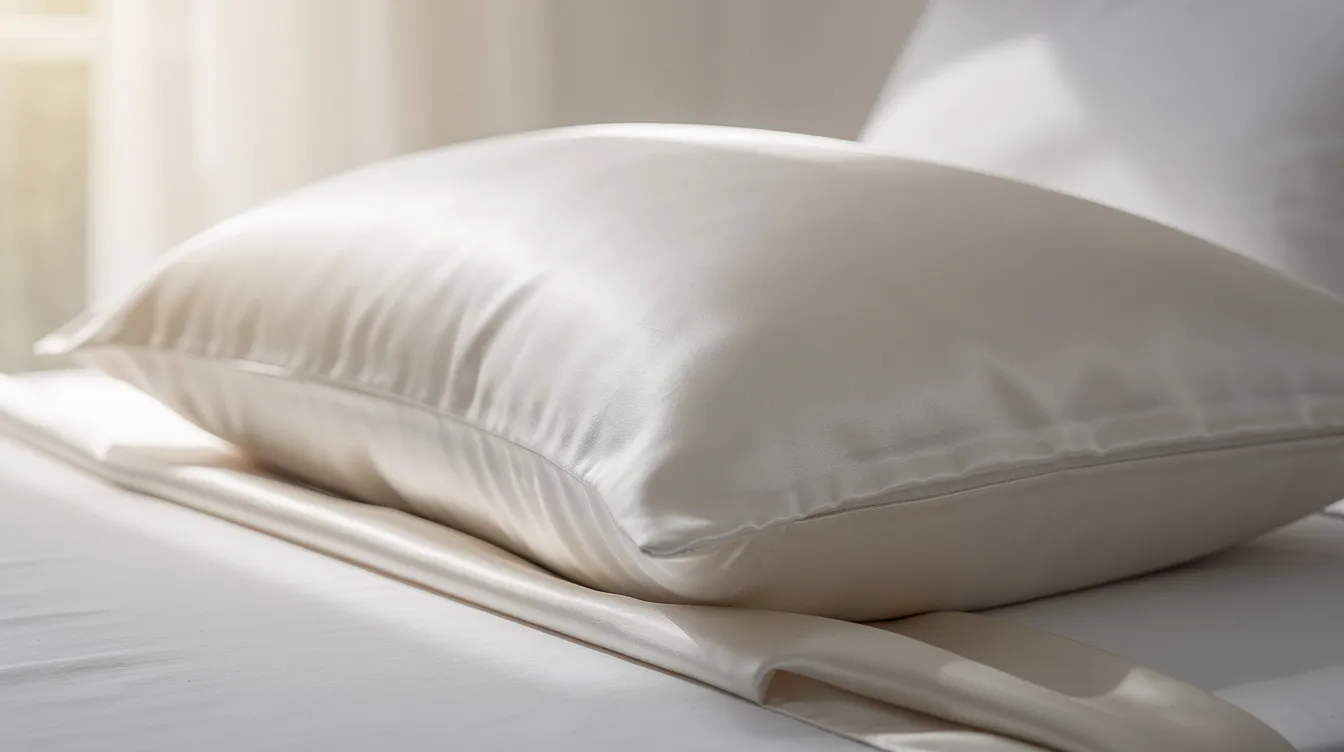
Satin pillowcases are typically made from synthetic materials like polyester, nylon, or blends woven in a satin weave pattern that floats several threads over others. The result is a glossy, slippery surface designed to feel smooth against your face. Satin weave pillowcases are not the same as silk - the word "satin" describes the weave, not the fiber.
Here is how that smooth surface interacts with your skin overnight:
Lower friction against the face. Satin minimizes friction, reducing sleep lines and wrinkles by letting the face slide rather than drag across the fabric. This can help soften the creases that form on cheeks, temples, and around the eye area, especially those caused by a regular cotton pillowcase pressing into the skin for hours.
Less mechanical compression for side sleepers. Reduced friction may indirectly support anti-aging by lowering the mechanical folding and tugging your skin endures while you sleep. This is most relevant for people in their 30s, 40s, and 50s who sleep on their side or stomach.
Heat and breathability trade-offs. Synthetic satin is less breathable than natural silk fabric. It can trap body heat and humidity around the face, potentially aggravating acne-prone or very oily skin. If you run hot at night, this is worth considering.
Skincare product retention. Satin's non-porous surface allows skincare products to remain on the skin instead of soaking into the pillow case. Cotton is highly absorbent and can dry out skin by pulling away serums and moisturizers overnight. Satin maintains skin hydration by not absorbing moisture the same way.
A smoother overnight environment. Satin creates a smoother environment for skin overnight, and satin prevents clogging of pores due to reduced friction. Less fabric texture pressing into the face means fewer points of pressure where oil, sweat, and product residue can become trapped.
Cotton pillowcases can absorb moisture from the skin, leaving your face drier by morning. Satin reduces that effect noticeably.
Silk vs Satin: Which Pillowcase Is Better for Skin?
Silk and satin pillowcases are often mentioned together, but they are not the same thing. Silk is a fiber - a natural protein produced by silkworms. Satin is a weave pattern. Many satin pillowcases on the market are made from synthetic fibers like polyester, not from silk at all. Silk is made from natural fibers, while satin is often synthetic.
Natural silk, especially mulberry silk, comes from silkworm cocoons and contains natural proteins found in the fiber's structure, including amino acids that give it a uniquely smooth feel. Synthetic satin, by contrast, is derived from petroleum-based materials and lacks those natural properties. When you see "silk satin" on a label, it means a satin weave made from silk threads - combining the best of both.
Here is how the two compare across the factors that matter most for skin:
Factor |
Silk Pillowcases |
Satin Pillowcases (Polyester) |
|---|---|---|
Fiber |
Natural protein fiber |
Synthetic fibers |
Breathability |
Excellent - helps regulate temperature |
Lower - can trap body heat |
Friction reduction |
Up to 43% less friction than cotton |
Significant, but slightly less than silk |
Moisture absorption |
Low - silk pillowcases help retain skin moisture overnight |
Low - satin maintains hydration |
Hypoallergenic |
Naturally hypoallergenic, reducing skin irritation |
May contain finishing chemicals |
Cost |
$30–$80+ per case |
$10–$30 per case |
Durability |
Years with proper care |
May pill or roughen faster |
Silk pillowcases reduce friction by 43% compared to cotton, according to lab testing. Real silk pillowcases, especially those made from 19-22 momme 6A mulberry silk with a high momme count, usually glide even more smoothly than polyester satin, offering superior reduction in friction for both hair and skin. Silk pillowcases reduce friction by 43% compared to satin as well in certain testing conditions, though exact results vary by fabric quality.
Silk is naturally hypoallergenic, unlike synthetic satin, which may include dyes or chemical finishes that bother reactive skin. Silk pillowcases help retain skin moisture better than satin because its fiber structure wicks without absorbing.
That said, satin pillowcases are generally more affordable than silk and still much better than rough cotton pillowcases. If you are on a budget, satin ones serve as a solid entry-level option. Real silk is the longer-term skin investment, but not all silk pillowcases are created equal - quality, grade, and momme weight matter enormously.
Key Skin Benefits of Satin Pillowcases
Even though satin is often synthetic, its weave offers genuine skin benefits compared with other materials like cotton. Here is what you can realistically expect:
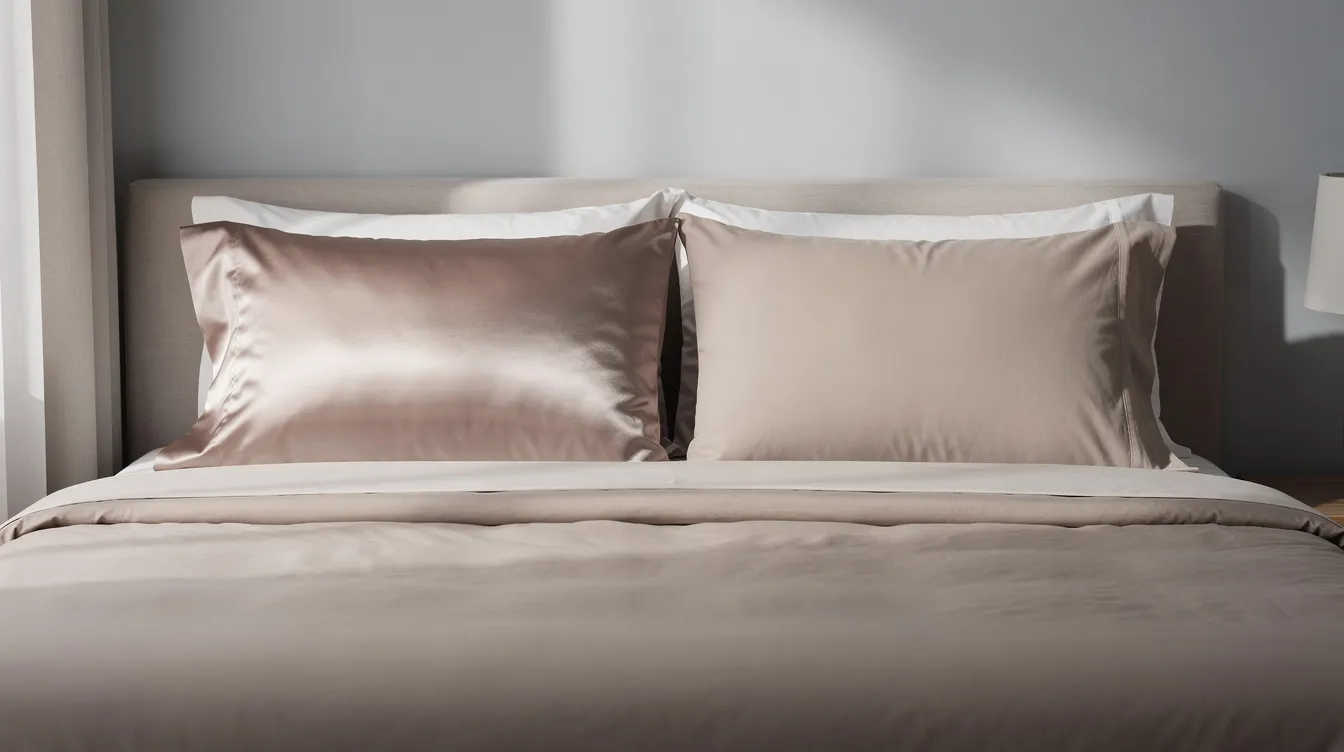
Reduced friction. The smooth satin surface lets the face slide instead of drag. This decreases overnight folding on the forehead, around the mouth, and along the nose. Less friction means fewer facial creases by morning and, over time, less contribution to permanent fine lines. Satin's texture is less irritating for sensitive or acne-prone skin compared to textured cotton.
Fewer sleep lines. A regular cotton pillowcase can leave deep vertical or diagonal marks that fade within minutes when you are young but linger longer with age. Those sleep wrinkles may eventually become persistent fine lines. Satin pillowcases soften this effect by reducing the sharp creasing that cotton's textured surface tends to create. Silk pillowcases can prevent sleep lines and wrinkles through a similar mechanism, with even lower friction.
Better moisture retention. Because satin does not absorb moisture the way cotton does, your skin's natural oils and applied skincare products - retinol, peptide creams, hyaluronic acid serums - stay on your face longer. Cotton pillowcases can absorb moisture, leading to dry skin by morning. Silk pillowcases help retain skin moisture overnight through their fiber structure.
Gentler on sensitive skin. People dealing with mild rosacea, post-peel tenderness, or post-laser sensitivity often appreciate a low-abrasion surface like satin. The glide reduces skin irritation that rougher fabrics can trigger, especially those with naturally reactive skin types.
A real-world example. Consider a 35-year-old side sleeper who switched from cotton to satin pillowcases for one month. She reported noticeably fewer morning pillow marks along the cheek and jawline, and her retinol cream seemed to absorb better instead of transferring onto the fabric. This kind of anecdotal result is common among people who make the switch - subtle, but real.
Silk pillowcases reduce sleep wrinkles by minimizing friction even further than satin, making them the premium option for anti-aging sleep surfaces.

How Satin Pillowcases Influence Hair and Skin Together
What benefits your hair often benefits your skin, because the same friction and moisture dynamics affect both. The pillow surface your hair rests on each night directly impacts your hairline, temples, and jawline - areas where breakouts often concentrate.
Satin pillowcases help reduce hair breakage, split ends, and tangles by lowering friction compared to cotton. This is especially those with curly, coily, or chemically treated hair who already struggle with frizzy hair. Silk pillowcases help reduce hair breakage and frizz through their natural properties, and they remain popular for taming frizzy hair overnight.
Healthier hair means fewer sharp, broken strands poking the face. Those tiny fragments can cause micro-irritation along the jawline and cheeks - a subtle but real contributor to small bumps and redness. Lower friction on the scalp and hairline also lessens irritation around the forehead and temples, where trapped sweat and rubbing often trigger breakouts.
Both silk or satin pillowcases are popular among people following protective hairstyles - braids, twists, silk presses - because they preserve styles overnight while treating hair and skin more gently. For overall hair health, pure silk can offer even less friction and better moisture balance than basic polyester satin, but either is a meaningful upgrade from cotton for both skin health and hair condition.
Real silk pillowcases deliver the same benefits for hair as they do for skin: less friction, better moisture retention, and a surface that does not strip natural oils from the hair shaft. If budget allows, silk satin gives you all the benefits in one fabric.

When Satin Pillowcases Might Not Be Ideal for Your Skin
Satin pillowcases are not a universal solution. Some skin types and environments can experience drawbacks, especially those using low-quality synthetic materials.
Heat and humidity build-up. Polyester satin is less breathable than natural fibers. It can trap sweat and oil against the skin on warm nights, which can worsen clogged pores and congestion. Satin pillowcases can trap heat and moisture, worsening skin issues for hot sleepers or those in humid climates.
Hygiene demands for oily and acne-prone skin. Dirty pillowcases can trigger breakouts and skin irritation regardless of the fabric. If you have acne-prone or very oily skin, you need to wash satin pillowcases at least one to two times per week. Pillowcases changed less than once a week have been associated with higher acne severity.
Night sweats and hormonal heat. People experiencing night sweats, perimenopausal hot flashes, or living in very hot regions may find synthetic satin uncomfortable. Temperature-regulating natural silk or bamboo fabrics that help regulate temperature and wick moisture are often a better choice for managing body temperature overnight.
Quality variation. Very cheap satin pillowcases can have rougher backing yarns, loose weaves that snag, and finishes that pill or degrade quickly. After a few washes, a poor-quality satin pillowcase can feel smooth no longer and may cause more friction than a fresh cotton case.
Not a medical treatment. While fabrics can influence irritation, they do not cure conditions like acne, eczema, or rosacea. Those require proper dermatological care. A satin or silk pillowcase is adjunctive - supportive, not primary. Switching your pillow case alone will not reverse skin aging or deep expression wrinkles caused by collagen loss.
No pillowcase fabric replaces a dermatologist. View your satin or silk pillowcase as one piece of a larger skincare strategy.
How to Choose Between Silk or Satin Pillowcases for Skin in 2026
Whether you are upgrading from cotton to satin or from satin to mulberry silk, these buying factors will help you make a confident decision this year.
Budget. Satin pillowcases, often sold in two- or four-packs, typically cost between $10 and $30. High-quality real silk pillowcases range from $30 to $80 or more, depending on momme weight, grade, and brand. Silk costs more upfront but can last several years with proper care, making it a viable long-term investment.
Skin type. People with acne-prone, sensitive, or highly reactive skin may prefer pure silk because it is naturally hypoallergenic and repels dust mites. Silk is naturally hypoallergenic, reducing skin irritation for especially those with allergies or eczema. Higher-end satin with verified safety certifications can also work, but check for harmful chemicals in dyes and finishes.
Climate. Satin works well in cooler bedrooms where body heat build-up is less of a concern. For hot or humid regions, silk or satin pillowcases made from natural fibers handle breathability and moisture-wicking better. Silk helps retain skin moisture, preventing dryness without trapping excess heat.
Fiber content. Check labels carefully. "100% mulberry silk" or "natural silk" is different from "polyester satin." The phrase "silk satin" means a satin weave made from silk fibers - this gives you the natural benefits of the fiber with the smoothness of the weave. Avoid labels that say only "satin" with no fiber disclosure.
Durability and care. Real silk requires gentler washing - cold water, pH-neutral detergent, air drying - but resists pilling. Polyester satin tolerates machine washing but may snag or wear faster. Consider how much laundry effort you are willing to invest.
Size options. Both silk and satin pillowcases come in standard and king size options, so matching your existing pillows is straightforward.
Consideration |
Satin (Polyester) |
Silk (Mulberry) |
|---|---|---|
Best for |
Budget shoppers, cooler climates |
Sensitive skin, hot sleepers |
Breathability |
Moderate |
Excellent |
Skin benefits |
Good friction reduction, moisture retention |
Superior friction reduction, hypoallergenic |
Hair health |
Reduces breakage and frizz |
Best for all hair types |
Maintenance |
Machine washable |
Gentle hand or delicate cycle |
Longevity |
6–18 months |
2–5 years with proper care |
Care Tips: Keeping Your Satin Pillowcase Skin-Friendly
Even the best satin pillowcases can irritate skin if they are not cleaned correctly. Oil, sweat, product residue, dead skin cells, and dust mites accumulate on any fabric pressed against your face night after night.
Wash frequently. Wash satin pillowcases at least once a week. For acne-prone skin, every two to three nights is better. Use a gentle detergent free from heavy fragrances and optical brighteners to help keep skin clear.
Use cool or warm water. Avoid very hot water cycles. Heat can roughen the smooth finish of satin fabric and make synthetic fibers feel harsher against the skin over time.
Air dry or tumble on low heat. High heat can cause excessive static and degrade the surface that makes satin feel smooth. Air drying is ideal for both satin and silk fabric, preserving the glide that matters for skin health.
Rotate your pillowcases. Own at least two to four pillowcases per person so there is always a clean one available. This reduces bacteria and pore-clogging buildup without requiring constant laundry.
Before bed habits. Remove makeup thoroughly before sleeping. Avoid applying thick hair oils that can transfer heavily onto the pillowcase and then onto your face. If you use retinol or strong night creams, wait a few minutes before lying down to give products time to absorb.
Owning multiple pillowcases extends the life of each one and keeps your sleep surface cleaner - a simple move that makes all the difference for your skin.

FAQ
Do satin pillowcases really prevent wrinkles?
Satin pillowcases cannot stop intrinsic skin aging or deep expression lines caused by collagen loss and muscle movement. However, they can reduce the mechanical folding and tugging that contribute to sleep lines - those creases that form from your face pressing into fabric overnight. Over months and years, consistent use on a low-friction surface is most helpful for side and stomach sleepers worried about persistent creases on one side of the face. For more noticeable anti-aging results, combine a satin or silk pillowcase with daily SPF, retinol, and a solid skincare routine.
Are satin pillowcases good or bad for acne-prone skin?
Satin pillowcases can be helpful because they create less friction and are less absorbent than cotton, which means fewer pore-clogging interactions and less product transfer. However, synthetic satin can trap heat and moisture, so washing the pillowcase frequently and keeping hair products off the pillow surface is crucial. If you experience persistent breakouts, consult a dermatologist - a satin or silk pillowcase is a supportive strategy, not a replacement for proper acne treatment.
Is silk or satin better for sensitive skin?
Many people with sensitive skin do best with natural silk pillowcases, especially mulberry silk, because it is breathable, smooth, and naturally hypoallergenic. High-quality satin can still be gentle, but synthetic fibers and finishing chemicals may bother individuals with very reactive skin or allergies. If you are unsure, try patch-testing by sleeping on a new pillowcase for several nights and monitoring for redness, itching, or flare-ups.
How many satin pillowcases should I own for good skin hygiene?
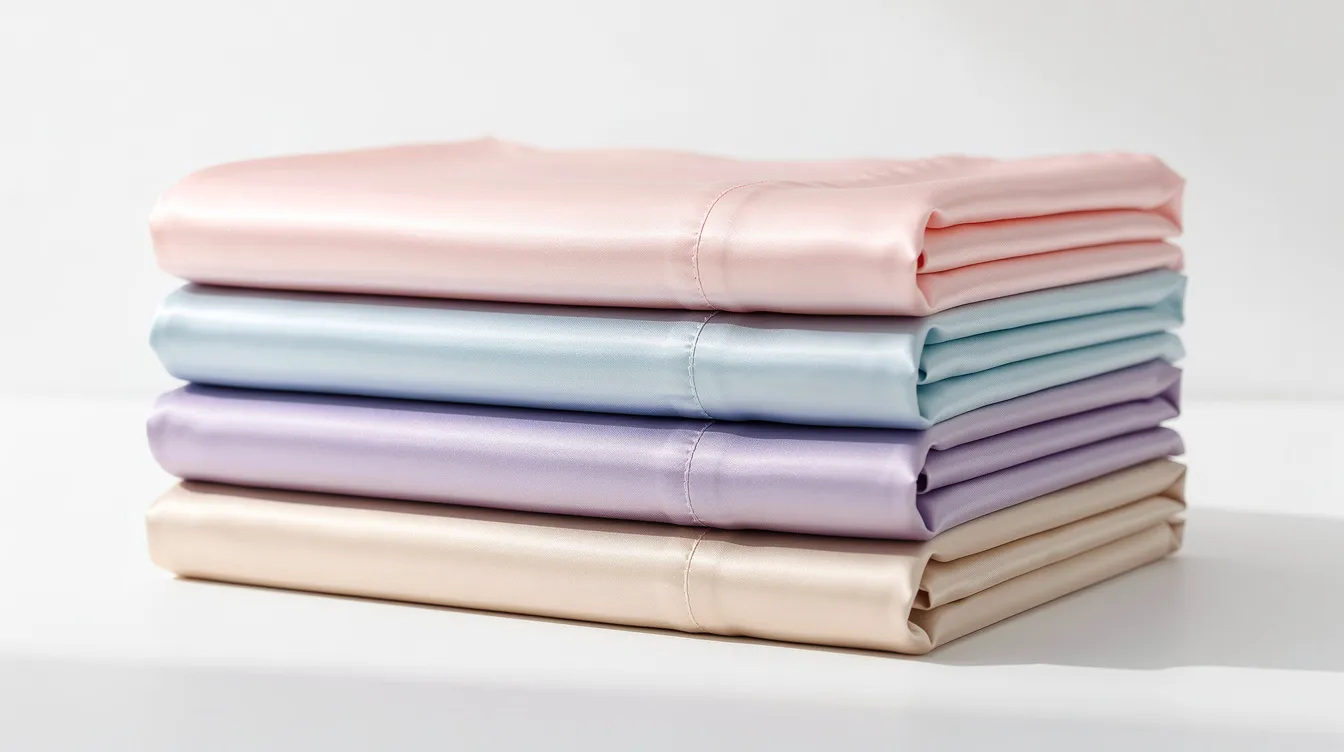
Keep at least two satin pillowcases per person as a minimum, and ideally three or four if you have oily, acne-prone, or very sensitive skin. This allows you to change the pillow case every few nights without constant laundry, reducing buildup of bacteria, oil, and dead skin cells. Rotating several pillowcases also extends the life of each one by reducing wear from frequent washing.
Can I use satin pillowcases with retinol or strong night creams?
Yes. Satin pillowcases pair well with retinol, acids, and rich night creams because they absorb less product than cotton and cause less rubbing across the skin. Wait a few minutes after applying potent treatments before lying down to minimize transfer to any pillowcase. Light-colored satin or silk works well if staining from active ingredients is a concern, and gentle washing preserves both the fabric and your skincare investment.
You May Also Like


Join Our Newsletter
Sign up to be the first to know about our can't-miss product drops, special VIP offers & exclusive discounts.