

Do Silk Pillowcases Really Work? (Or Are They Just Hype?)

Featured Product

Table of Contents
- Do Silk Pillowcases Really Work? (Or Are They Just Hype?)
- Key Takeaways
- Do Silk Pillowcases Really Work? A Straight Answer First
- How Silk Pillowcases Affect Your Skin
- Benefits of Silk Pillowcases for Hair
- Do Silk Pillowcases Help Hot Sleepers and Night Sweats?
- Silk vs Other Pillowcase Fabrics: What’s Really Different?
- How to Choose the Best Silk Pillowcase
- Practical Downsides: Cost, Care, and Durability
- Are Silk Pillowcases Worth It For You?
- FAQ
Do Silk Pillowcases Really Work? (Or Are They Just Hype?)
Key Takeaways
Yes, real pure silk pillowcases, especially 100 mulberry silk, can genuinely help with frizzy hair, sleep creases, and overheating.
The main benefits of silk come from silk's smooth surface, low friction, less moisture absorption, and naturally breathable natural fibers.
Silk is not a miracle anti-aging or acne cure. It supports hair and skin health, but it does not replace sunscreen, retinoids, or medical treatments.
Hot sleepers, people with curly or fragile hair, and those with sensitive skin or acne prone skin often notice the biggest difference.
Quality matters: not all silk pillowcases are equal, so look for pure mulberry silk, a good momme weight, and clear fiber labeling.

Do Silk Pillowcases Really Work? A Straight Answer First
If you’ve searched “does silk pillowcase really work,” you’ve probably seen everything from glowing TikTok reviews to long lists of the best silk pillowcases. Since around 2018–2020, silk pillowcases have moved from luxury bedding into the everyday beauty sleep conversation.
The straight answer: silk pillowcases really can work, but only for specific things. A pure silk pillowcase made from real silk can reduce friction, help skin and hair retain moisture, and feel cooler than many other fabrics. Silk pillowcases offer several benefits for skin and hair health, especially when compared with a regular pillowcase made from rougher or more absorbent cotton.
What they do well:
Reduce tugging on facial skin and hair
Minimize frizz and tangles
Help retain skincare and natural oils
Stay cool and comfortable for many hot sleepers
Reduce temporary sleep creases on facial skin
What they do not do:
Erase deep wrinkles
Cure acne
Replace medical eczema treatments
Replace sunscreen, retinoids, or good sleep habits
The key is using pure silk, not artificial satin or a vague “silky” synthetic fabric. Results also depend on care. Even high quality silk is a delicate material, so washing and drying habits matter.
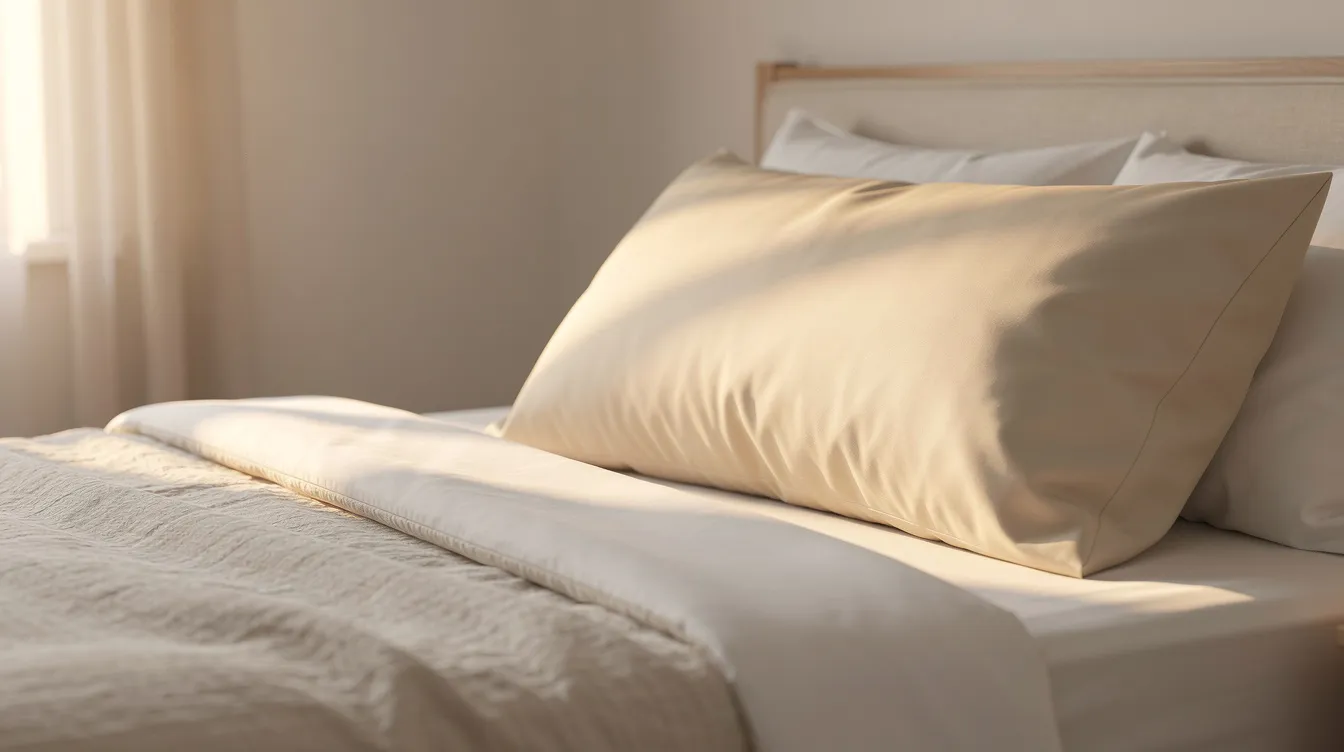
How Silk Pillowcases Affect Your Skin
Sleep wrinkles and irritation can happen when your face is pressed into fabric for hours. If that fabric is rough, dry, or absorbent, it can create friction against delicate facial skin and pull away moisture.
Unlike cotton, silk fabric has a smooth surface that allows facial skin to glide instead of drag. Silk's smooth surface minimizes friction that causes wrinkles, and silk pillowcases can reduce sleep creases on the skin, especially for side and stomach sleepers.
Silk is smooth and gentle on the face reducing irritation and acne. That matters for sensitive skin, acne prone skin, and skin conditions that flare with rubbing. Silk is recommended for sensitive skin and conditions like eczema because silk's properties help relieve inflammation and itching for sensitive skin conditions. Some people notice that silk pillowcases may improve skin conditions within weeks when used consistently and washed regularly.
Silk also helps with hydration. Silk pillowcases help retain skin moisture overnight because pure silk tends to absorb moisture less aggressively than cotton pillowcases. That means your moisturizer, serum, and natural oils are more likely to stay on your facial skin instead of being pulled into the fabric. Silk provides natural hydration to hair and skin by reducing moisture loss rather than adding water itself.
There’s also a cleanliness angle. Silk is naturally hypoallergenic and antibacterial promoting a cleaner sleep environment. Silk is naturally hypoallergenic, and it is less welcoming to dust mites than some other fabrics when cleaned properly. Still, no pillowcase stays clean forever. If you sweat overnight, change pillowcases every one to two days if you sweat overnight. At minimum, wash weekly.
Do Silk Pillowcases Prevent Wrinkles?
The claim that silk pillowcases prevent wrinkles needs a careful answer.
Dermatologists generally separate wrinkles into two broad types:
Type |
Main cause |
Can silk help? |
|---|---|---|
Expression wrinkles |
Facial movement, collagen loss, UV exposure |
Not much |
Sleep wrinkles |
Compression and folding during sleep |
Yes, somewhat |
Silk can help reduce sleep wrinkles and sleep creases because silk creates a lower-friction surface. Sleeping on silk can slow the formation of permanent wrinkles caused by repeated face compression, but it cannot stop natural aging or sun damage.
A practical way to think about it: silk is a helpful supporting tool, not the whole anti-aging routine. SPF, retinoids, hydration, and quality sleep matter more.
Practical tip: sleep on your back when possible, avoid thick seams pressing into your face, and keep a consistent sleep schedule.
Benefits of Silk Pillowcases for Hair
Hair damage builds slowly. Friction from a pillow can rough up the cuticle, flatten curls, increase tangles, and contribute to split ends over time.
A pure silk pillowcase gives hair a smoother barrier. Silk pillowcases create a smoother barrier for hair, so strands glide rather than snag. This is why many people wake up with less frizzy hair after switching from cotton.
Silk helps reduce mechanical damage and hydration loss in hair. It also retains moisture in hair, preventing dryness. Because silk pulls away less moisture than cotton, it helps preserve natural oils and hair products overnight. Silk prevents hair from becoming flyaway by preserving moisture, and silk pillowcases minimize frizz and decrease tangles.
That can support healthier hair, especially if your hair is already fragile.
Here’s how different hair types may benefit:
Curly and coily hair: less friction, fewer flattened curls, better moisture retention
Wavy hair: less morning frizz and easier refresh styling
Straight hair: fewer tangles and less flyaway texture
Fine or color-treated hair: less breakage from nightly rubbing
Sensitive scalps: less pulling and snagging while you sleep
Silk helps prevent split ends and hair breakage, but it is not a substitute for trims, conditioner, or gentle styling. Think of it as damage reduction, not damage repair.
Silk bonnets, silk scrunchies, sleep masks, and other silk products can also help. Silk bonnets protect hair from all sides, while pillowcases protect the surface your head rests on. For very delicate curls, protective styles, or braids, using both can work better than one alone.
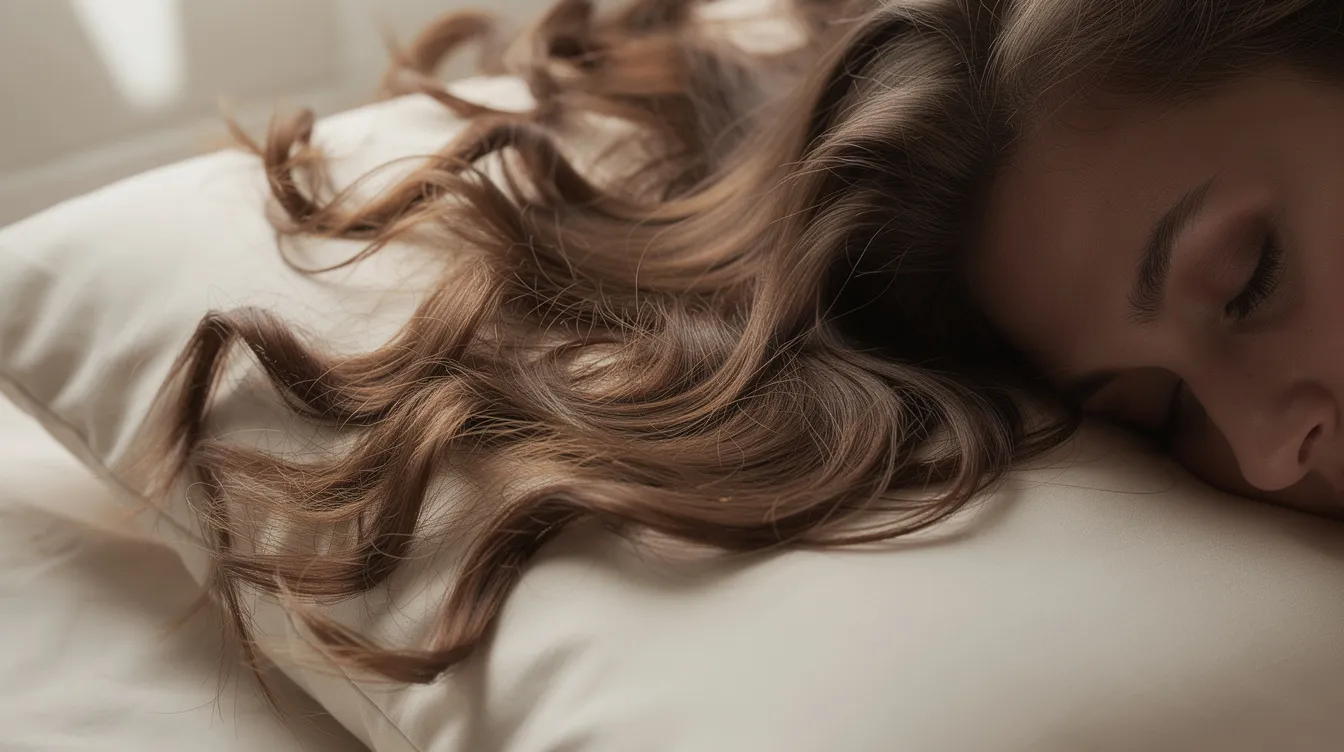
Silk vs Satin Pillowcase for Hair and Skin
Silk and satin are often confused, but they are not the same thing.
Silk is a natural protein fiber. Mulberry silk is one of the highest-quality forms used in bedding. Satin is a weave, but in many affordable bedding products, satin is a synthetic fabric made from petroleum-based compounds. Polyester satin, synthetic satin, and artificial satin are common examples.
Satin pillowcases can feel smooth, and satin fabric may reduce some friction compared with cotton. But polyester satin pillowcases do not offer the same breathability or moisture behavior as silk. Satin lacks the natural temperature regulation of silk, and synthetic materials can trap heat.
Real silk, especially pure mulberry silk in a charmeuse weave, usually performs better for bedhead, comfort, and skin compared with synthetic fabric options. Polyester satin can be cheaper and easier to wash, but silk is more durable than lower-quality satin alternatives when cared for properly.
When shopping, check labels carefully. “Silky feel,” “satin silk,” or “silk touch” usually does not mean real silk.
Do Silk Pillowcases Help Hot Sleepers and Night Sweats?
Temperature control is one of the most underrated reasons people switch to silk pillowcases.
Silk pillowcases stay cool providing a refreshing feeling throughout the night. Mulberry silk fibers allow airflow, wick away small amounts of moisture, and help your skin stay closer to a neutral temperature. Silk is naturally breathable, which is why many hot sleepers prefer it over dense cotton or synthetic satin.
By contrast, polyester satin and some synthetic materials can trap heat and sweat. That can make night sweats feel worse, especially in summer or warm climates.
Many people notice:
Cooler first contact
Less clammy fabric against the cheek
Fewer sticky awakenings
A better night's sleep in warm weather
However, a silk pillowcase will not fix severe night sweats, hormonal hot flashes, or medical sleep issues. It can make your sleep environment feel less suffocating, but it is not a treatment.

Silk vs Other Pillowcase Fabrics: What’s Really Different?
Not every soft fabric behaves the same way. The difference comes down to friction, absorbency, breathability, and texture.
Fabric |
Strengths |
Drawbacks |
|---|---|---|
Silk |
Low friction, cool feel, less moisture loss |
Higher cost, careful washing |
Cotton |
Affordable, durable, easy care |
Can absorb moisture and create friction |
Linen |
Breathable, strong, relaxed texture |
Can feel rougher on delicate facial skin |
Bamboo/viscose |
Soft, cooling, often affordable |
Less glide than charmeuse silk |
Polyester satin |
Smooth and cheap |
Less breathable, can trap heat |
Cotton is practical and widely available. Cotton pillowcases are easy to wash, but cotton can absorb moisture from dry skin and hair. Cotton can also create friction because of its fiber texture.
Silk’s unique advantage is the combination of glide, comfort, and moisture balance. High quality mulberry silk offers a smooth surface without the heat-trapping feel that some synthetic materials have.
Real Silk vs “Silky” Imitations
A product title can be misleading. “Silky,” “satin,” and “luxury shine” often describe the look of the fabric, not the fiber content.
To confirm you are buying real silk, look for:
100% mulberry silk or pure mulberry silk
Clear fiber content listing silk, not polyester
Momme weight listed
OEKO-TEX style safety certification if available
Care instructions for silk
A single high quality silk pillowcase often outperforms several cheaper satin pillowcases over time. This is especially true if you care about hair and skin comfort, not just shine.
How to Choose the Best Silk Pillowcase
Quality variables make a big difference. The top silk pillowcases are not always the most expensive, but they are transparent about materials.
Start with mulberry silk. High quality mulberry silk comes from long, uniform fibers that create a smoother and stronger fabric. Quality silk pillowcases should be 100% Mulberry silk with a high momme weight.
Momme measures silk's weight and density. For nightly use:
19–22 momme: a strong everyday sweet spot
22–25 momme: denser, more luxurious, often more durable
25–30 momme: heavier and premium, but not always necessary
Lighter weight silk: airier, but may wear faster
Charmeuse weave is a popular choice because one side is glossy and smooth for skin and hair, while the underside is more matte so the pillow stays put.
Closure also matters. An envelope closure has no hardware and feels simple. A zipper closure keeps the pillow secure, but the zipper should be hidden and smooth so it does not scratch your face.
Whether you are comparing a slip silk pillowcase style, tested silk pillowcases in reviews, or budget-friendly options, focus on the specs before the packaging. If your silk pillowcases slip off the pillow, choose a deeper envelope or hidden zipper design.
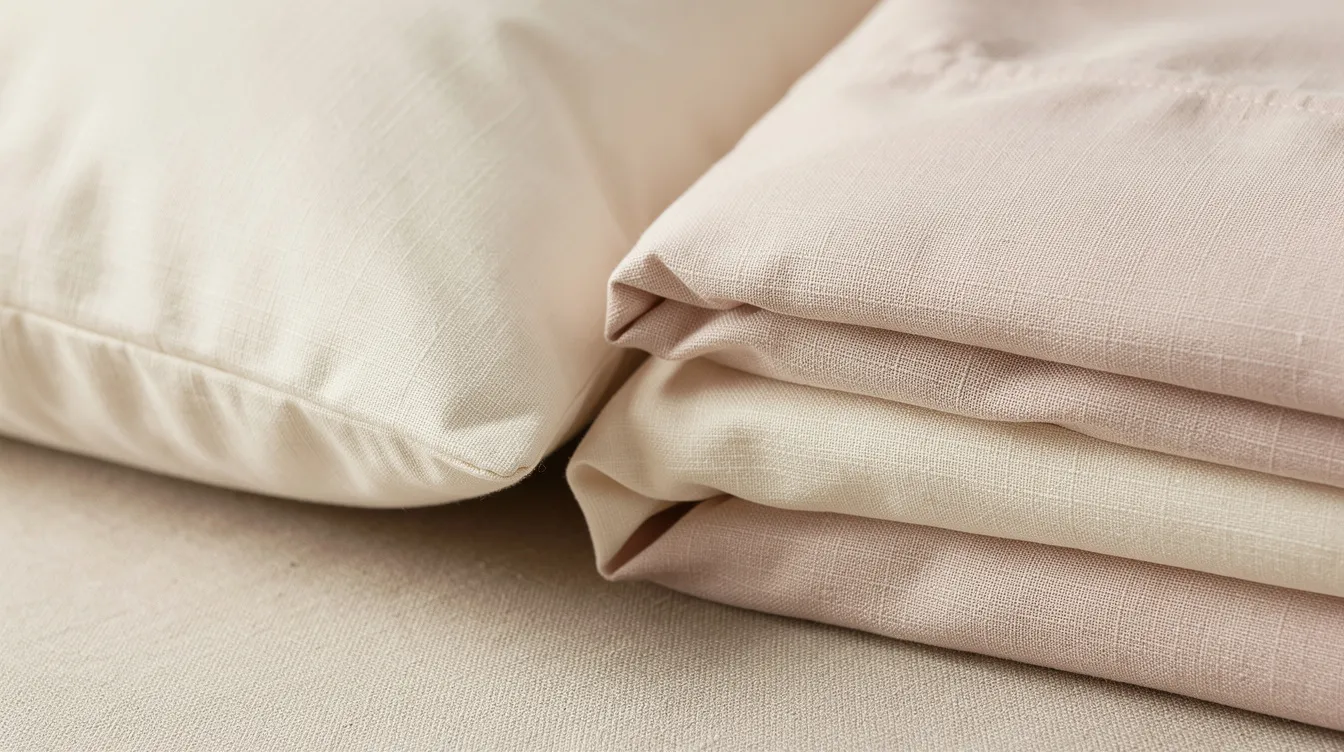
What to Watch Out For When Shopping
Avoid vague labels such as:
“Silk-like”
“Silky satin”
“Silk touch”
“Luxury satin”
“Satin silk blend” without clear fiber details
Look for full transparency on fiber content, momme weight, and whether the case is made from 100 mulberry silk. A budget-friendly real silk option that is machine washable and clearly labeled can be better than an overpriced luxury label with weak details.
Also check the return policy. Some people love the slippery feel immediately. Others prefer silk pillows or hybrid pillowcases with silk on one side and cotton on the other.
Practical Downsides: Cost, Care, and Durability
Pure silk pillowcases are an investment. They usually cost more than cotton or polyester satin, and they need gentler care. That does not mean they are impractical, but it does mean you should know what you are buying.
As of 2024–2026, genuine pure silk pillowcases often cost more than basic cotton pillowcases or synthetic satin options. In return, a well-made case can last years with proper care.
Care is the biggest adjustment. Wash silk pillowcases on a delicate cycle in cool water. Use a gentle detergent made for silk when washing. Some silk pillowcases can be machine-washed in a mesh bag, and many modern options are labeled machine washable.
Best care habits:
Use a gentle cycle with cool water
Place the case in a mesh laundry bag or garment bag
Use silk-safe detergent
Avoid bleach and harsh fabric softeners
Air-dry silk pillowcases to prevent heat damage
Air drying is safest. Some labels allow low-heat tumble drying, but high heat can weaken silk fibers and dull the sheen.
Durability depends on quality. High quality silk is stronger than it looks, but it can snag on rough nails, jewelry, or exposed zippers. A lower momme case may feel soft at first but wear thin faster.
Silk vs Machine-Washable, Low-Maintenance Alternatives
Cotton and polyester satin are easier for busy households. Most can handle machine washing, frequent drying, and less careful sorting.
Silk requires a little more attention, but not as much as many people assume. If the care label allows it, machine washing on a gentle cycle in a mesh bag is usually fine. Hand washing is also an option if you want maximum control.
If you are unsure, start with one mid-range pure silk pillowcase. Use it for a month before upgrading all your bedding. That gives you enough time to decide whether the comfort and appearance benefits fit your lifestyle.
Are Silk Pillowcases Worth It For You?
Silk pillowcases are worth it if your main goals are less friction, smoother hair, fewer pillow lines, and a cooler sleep surface.
You are most likely to benefit if you:
Wake up with frizzy hair or tangles
Have curly, coily, fine, color-treated, or fragile hair
Sleep on your side or stomach
Have dry skin or easily irritated facial skin
Are one of the hot sleepers who dislikes clammy bedding
Use nighttime skincare and want less product absorbed by the pillow
If your biggest concern is deep wrinkle reduction or severe acne, silk should be seen as a support tool. It can reduce friction and irritation, but it will not replace dermatologist-recommended care.
For many people, a pure silk pillowcase becomes a quiet luxury: not a miracle, but a small nightly upgrade that makes hair and skin look a little calmer by morning.

FAQ
How long does it take to see results from sleeping on a silk pillowcase?
Some people notice fewer pillow creases and smoother hair within a few nights. Bigger changes in frizz control, breakage, and overall hair health usually become clearer after 3–4 weeks of consistent sleeping on silk.
Results depend on hair type, skin condition, climate, and how often the pillowcase is washed.
Is a silk pillowcase enough to help with acne or is it just a small piece of the puzzle?
A clean silk pillowcase can reduce friction and irritation, which may help acne prone skin feel calmer. But silk alone will not treat acne.
Use it alongside gentle cleansing, non-comedogenic products, and medical guidance if needed. Wash at least weekly, or more often if you use heavy skincare, sweat, or hair products at night.
What momme weight is best for a silk pillowcase used every night?
For most people, 19–22 momme is the practical range. It balances softness, durability, breathability, and price.
Higher momme options, such as 24–30, feel richer and may last longer, but they are more expensive and can feel slightly warmer.
Can I put my silk pillowcase in the washing machine and dryer?
Many modern silk pillowcases are machine washable if the care label says so. Use cool water, a gentle cycle, a mesh laundry bag, and a silk-safe detergent.
Air drying is best. Avoid high heat in the dryer because heat can damage silk fibers and reduce shine.
Do I need both a silk pillowcase and a silk bonnet or scarf?
For straight hair or slightly wavy hair, a silk pillowcase may be enough. For very curly, coily, fragile, or protective styles, layering silk bonnets or scarves with a silk pillowcase can offer better protection.
Start with the pillowcase. If you still wake up with flattened curls or frizz, add a bonnet or scarf.
You May Also Like


Join Our Newsletter
Sign up to be the first to know about our can't-miss product drops, special VIP offers & exclusive discounts.